
Indoor vs. Outdoor Team Building: How to Choose
Indoor vs. Outdoor Team Building: How to Choose the Right Format for Your Company
When planning a corporate team building event, one of the first decisions is whether to hold the activities indoors or outdoors.
Both formats offer opportunities for employees to collaborate, participate in group challenges, and share experiences outside their usual work environment. However, the right choice depends on your objectives, participant count, venue, budget, weather conditions, and the type of activities you want to organize.
For companies in the Philippines, where weather and venue conditions can influence event planning, choosing the appropriate format is particularly important.
This guide compares indoor and outdoor team building, explains the advantages of each, and helps HR teams determine which format best fits their next corporate event.
What Is Indoor Team Building?
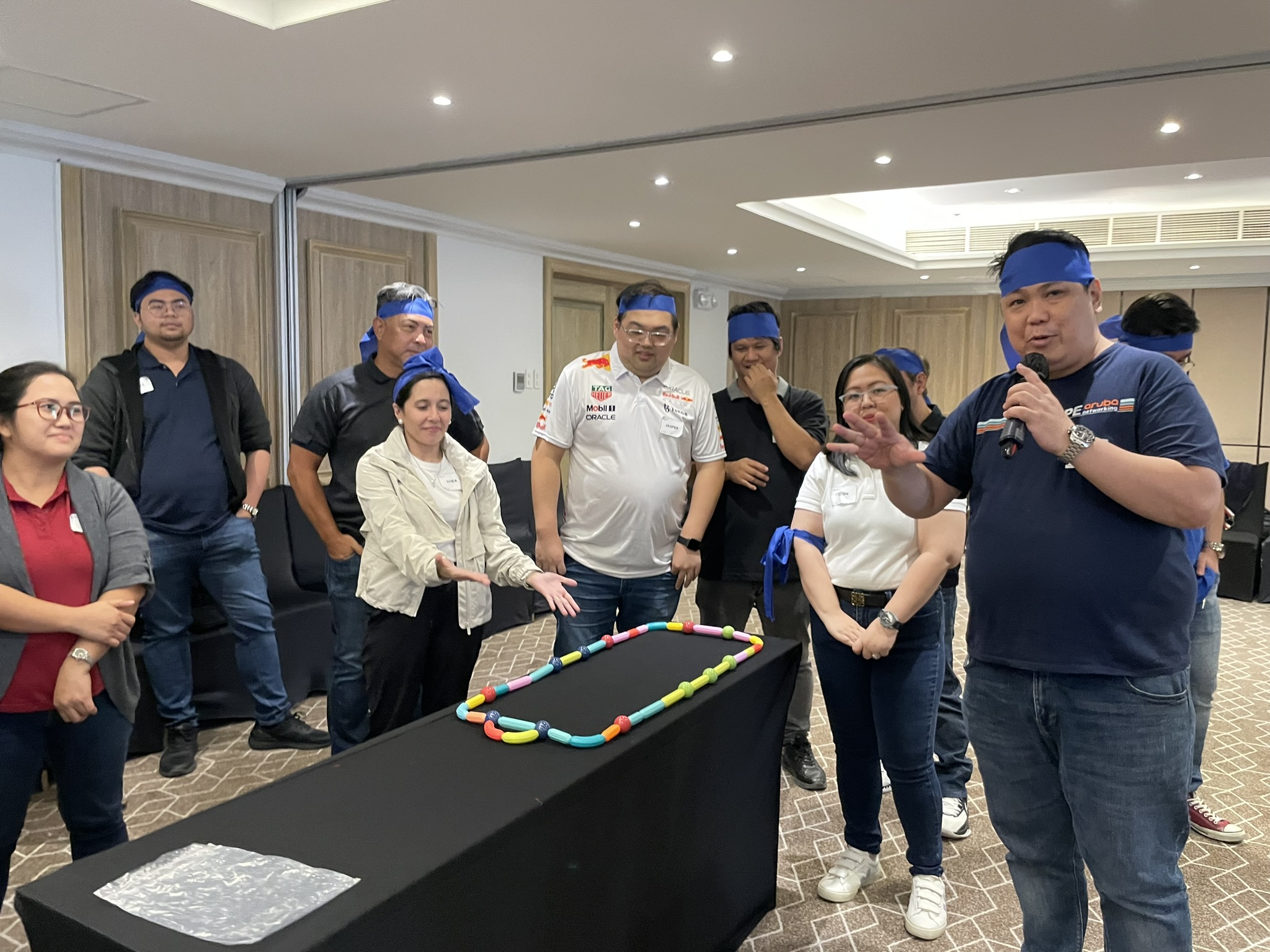
Indoor team building takes place in a controlled environment, such as a hotel function room, conference venue, events hall, office, or covered activity space.
Activities are designed to work within the available floor area and facilities. Depending on the venue and program, they may include communication challenges, problem-solving games, collaborative tasks, quizzes, and group competitions.
Indoor team building is often suitable for companies that need a more predictable setting or prefer activities that do not depend heavily on weather conditions.
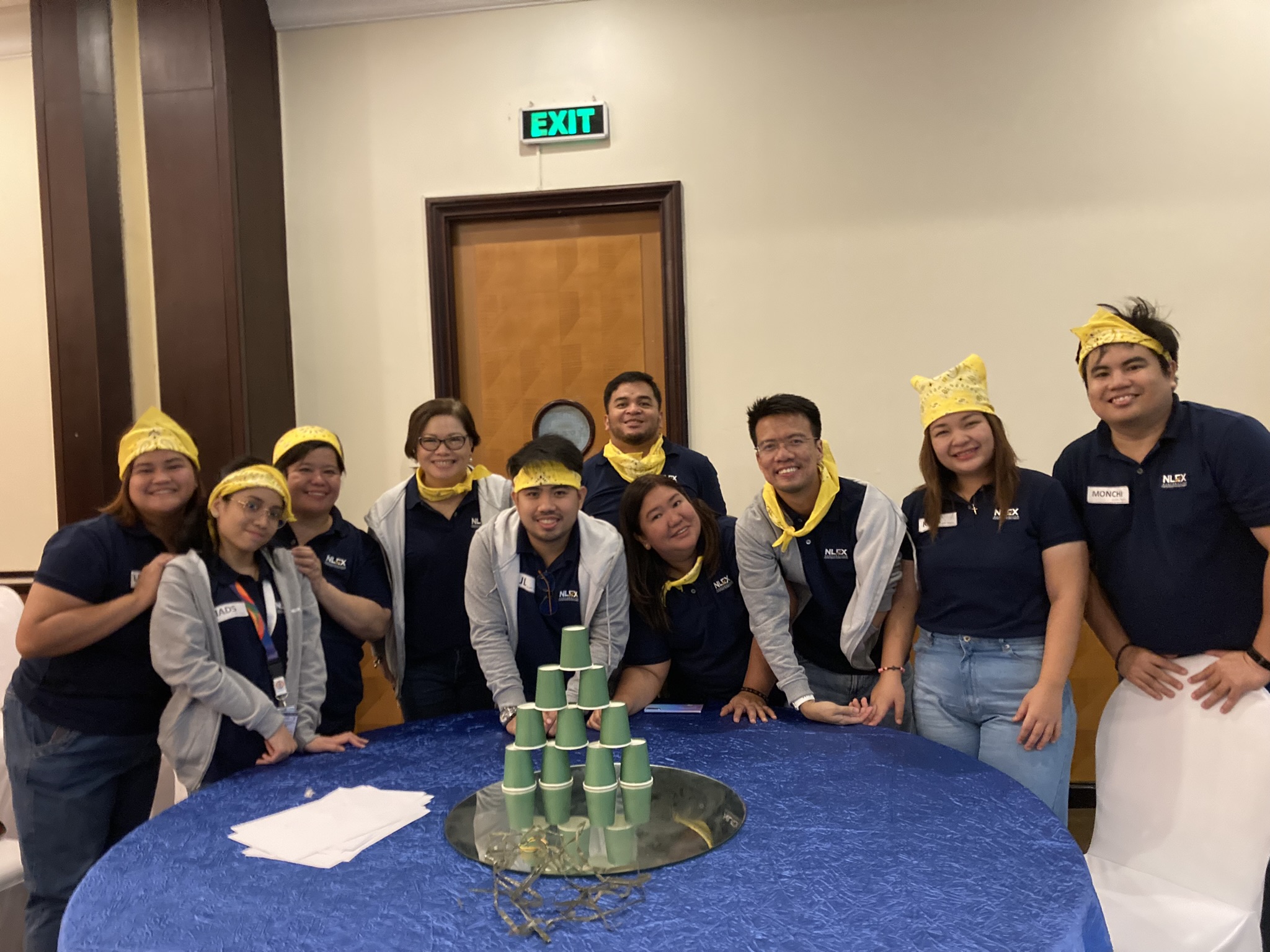
Advantages of indoor team building
1. Greater control over weather conditions
Indoor venues provide protection from rain and direct sunlight. This can make scheduling easier, particularly during months when outdoor conditions are less predictable.
2. A more controlled environment
Lighting, sound, seating, and activity areas may be easier to manage in a suitable indoor venue.
3. Suitable for discussion-based activities
Some group challenges involve exchanging information, solving problems, or reflecting on shared experiences. An indoor setting can provide a practical environment for these activities.
4. Convenient for shorter programs
A function room or office venue may be suitable for half-day activities or programs that need to fit around other company commitments.
Potential limitations
Indoor venues have physical limitations. A room may not provide enough space for running games, large team formations, or activities requiring extensive movement.
Venue rental, equipment, and setup restrictions may also affect the budget.
Before booking, confirm the usable activity area rather than relying solely on the venue's advertised capacity.
What Is Outdoor Team Building?
Outdoor team building takes place in open spaces such as resort grounds, gardens, fields, beaches, or designated outdoor activity areas.
These settings can accommodate activities that require more movement, space, and interaction between teams.
Depending on the location and program, activities may include relay challenges, group problem-solving tasks, obstacle-style games, recreational competitions, and large-group collaborative activities.

Advantages of outdoor team building
1. More space for movement
Outdoor venues may be better suited to activities involving running, walking, moving objects, or rotating between activity stations.
2. More options for large-group challenges
A spacious field or resort lawn can accommodate multiple teams and activity areas, provided the layout and facilities are appropriate.
3. A change of environment
Taking employees outside their usual workplace can create a different atmosphere for interaction and shared experiences.
4. Opportunities to combine activities with recreation
Outdoor programs can be paired with resort facilities, swimming, shared meals, and leisure time when these are available and included in the event arrangements.

Potential limitations
Outdoor events are more exposed to weather conditions, including rain, heat, and strong sunlight.
Organizers should also consider access to drinking water, shade, restrooms, first aid, sound equipment, and alternative activity areas.
A backup plan is especially important when the program depends on an open field or other uncovered space.
Indoor vs. Outdoor Team Building: Key Differences
Factor | Indoor | Outdoor |
Weather exposure | Generally protected | More exposed to weather |
Activity space | Depends on room layout | May offer larger open areas |
Movement-based games | Limited by available space | Often suitable for larger movement-based activities |
Discussion activities | Can be easier to manage in a quiet room | Depends on noise and surroundings |
Sound management | Often more controlled | May require additional sound equipment |
Venue requirements | Function room, hall, or suitable indoor space | Field, garden, resort grounds, or other outdoor area |
Contingency planning | Consider room and equipment limitations | Weather and alternative-space planning are important |
Best use | Controlled activities and space-efficient programs | Activities requiring more room and outdoor interaction |
Neither format is automatically better. The suitability of each depends on the actual venue, activity design, and participant requirements.
Which Format Is Better for Large Groups?
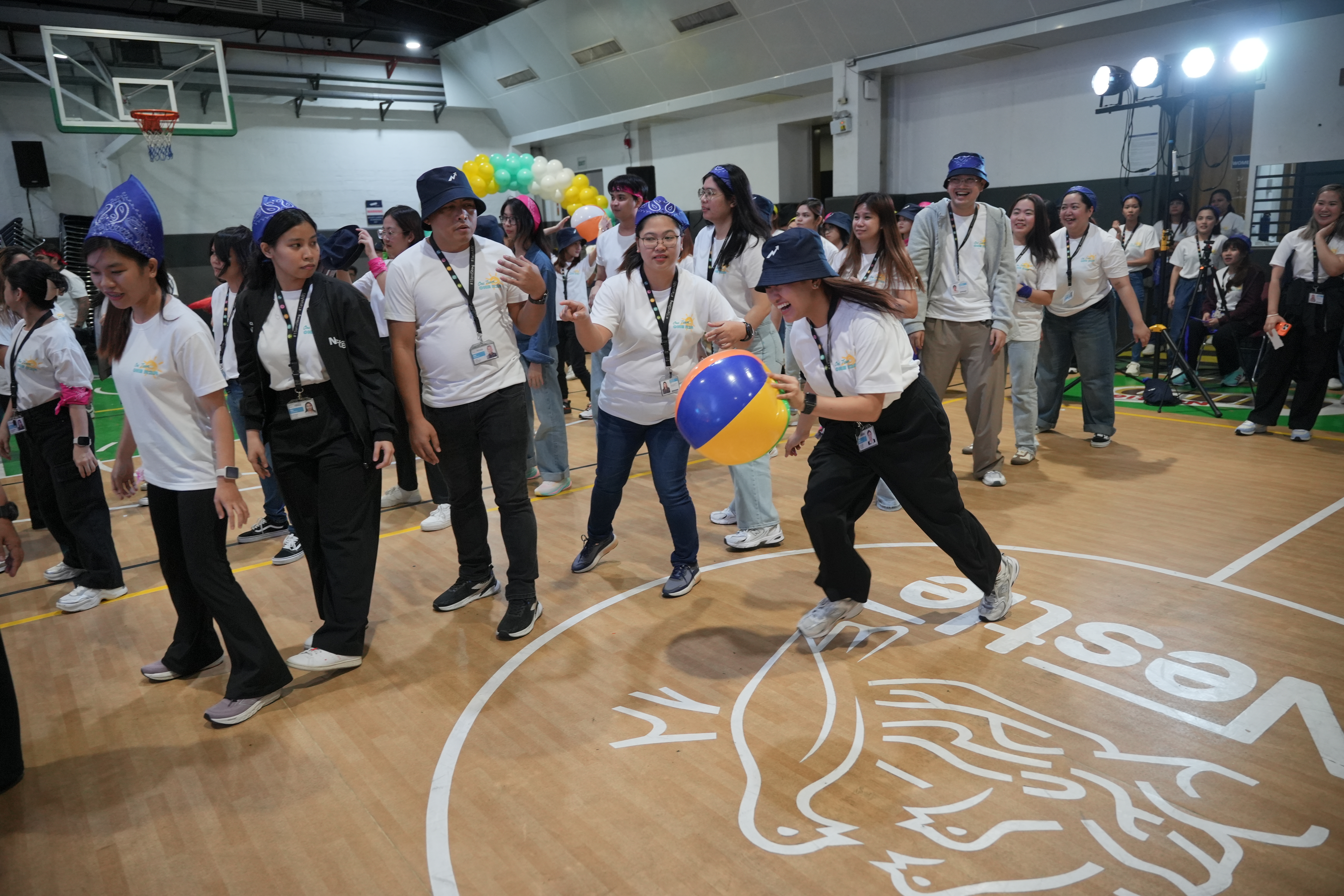
For large corporate groups, the decision should be based on the space and coordination required by the program.
An outdoor venue may be suitable when activities require multiple stations, larger team formations, or considerable movement.
However, a large indoor hall can also accommodate substantial groups if its usable space, layout, ventilation, and facilities meet the requirements.
Before confirming a venue, consider:
Total participant count
Number of teams and activity stations
Space needed for each activity
Sound coverage and visibility
Facilitator and support staff requirements
Participant movement between areas
Restrooms, hydration, and rest areas
Emergency access and contingency arrangements
For larger events, ask the provider to explain how the activity layout and staffing will accommodate the group.
A venue's maximum guest capacity does not necessarily indicate how many people it can comfortably accommodate for active team building.

How Does the Philippine Weather Affect Your Decision?
Weather should be part of your planning process from the beginning, especially for outdoor programs.
Rain can make some surfaces slippery, interrupt activities, or limit access to outdoor spaces. Heat and direct sunlight can also affect participant comfort and the suitability of physically demanding activities.
When evaluating an outdoor venue, ask:
Is there a covered area available?
Can the program move indoors if it rains?
Is the alternative space large enough for the entire group?
Are there shaded areas and accessible drinking water?
Who decides when outdoor activities need to stop or change?
Will the alternative setup require additional charges?
Do not assume that a resort's function room can accommodate the full program simply because it is available.
If the backup space is small, the provider may need to adjust the activities, divide the group, or revise the schedule.
For events during the rainy season, a realistic contingency plan should be part of the venue-selection process rather than an afterthought.
Which Format Is More Budget-Friendly?
There is no universal rule that indoor or outdoor team building costs less.
The total cost depends on the venue, location, participant count, equipment, facilitation, meals, transportation, and additional services.
An indoor event may require function-room rental, sound equipment, and activity materials. An outdoor event may require a resort booking, transportation, weather contingencies, and equipment suitable for the activity area.
Compare the complete cost rather than looking only at the venue rate.
When requesting quotations, clarify:
Venue rental or package inclusions
Meals and refreshments
Facilitators and support staff
Activity materials and equipment
Sound system requirements
Transportation and parking
Setup and ingress fees
Alternative arrangements for bad weather
A venue with a higher initial price may offer more suitable facilities or include services that would otherwise be charged separately.
Can You Combine Indoor and Outdoor Activities?
Yes. A hybrid format can provide flexibility when your venue offers both indoor and outdoor spaces.
For example, a company may conduct the opening session and selected collaborative activities in a function room, move to an outdoor area for larger group challenges, and return indoors for closing activities or presentations.
A combined program can be useful when different activities have different space requirements.
However, moving participants between locations requires time and coordination. Consider walking distances, equipment movement, accessibility, and the possibility of weather-related delays.
If your program includes both settings, establish a primary schedule and an alternative version that can be implemented when outdoor activities are not feasible.

Five Questions to Ask Before Choosing Your Venue
Before making a final decision, ask your organizing committee these questions:
1. What activities do we want to conduct?
Start with the program requirements. Choose a venue that can support the intended activities rather than forcing the program into an unsuitable space.
2. How many participants will attend?
Consider not only the total headcount but also how participants will be divided into teams and move between activity areas.
3. What are our weather contingencies?
For outdoor events, confirm whether an alternative space is available, suitable, and included in the agreement.
4. What is included in the venue package?
Check facilities, meals, equipment, setup time, and any additional charges.
5. What experience do we want participants to have?
Consider whether your priorities involve movement-based challenges, collaborative tasks, recreation, discussion, or a combination of these.
Your answers will help narrow down the most practical format.
Final Thoughts: Choose the Format That Fits Your Program
Indoor and outdoor team building can both support engaging corporate experiences. The better choice is the one that fits your objectives, participants, activity requirements, budget, and venue conditions.
Choose indoor activities when a controlled environment and suitable function space are priorities. Consider outdoor activities when you need more room for movement and larger group challenges. If your venue supports both, a combined format may offer additional flexibility.
Whatever format you choose, plan around the participant experience, venue capabilities, and practical requirements of the event.
Planning an Indoor or Outdoor Team Building Event?
Dayo Philippines helps companies organize corporate team building experiences through activity design, facilitation, venue coordination, and event logistics.
Whether you're considering a hotel function room, resort grounds, or a combination of indoor and outdoor spaces, your event requirements can guide the choice of venue and program format.
Visit Dayo Philippines to learn more about our corporate team building services and discuss your upcoming event.
