The Great Museum Quest: A Corporate Museum Team-Building Case Study
From Leadership Brief to Museum Quest: How Dayo Philippines Designed The Great Museum Quest
What If a Museum Became the Setting for a Shared Discovery?
Team building does not always have to happen on a resort lawn, in a hotel ballroom, or through traditional outdoor games.
Sometimes, an experience can begin with a different question: How can people learn something new about the place they are in while discovering how to work together?
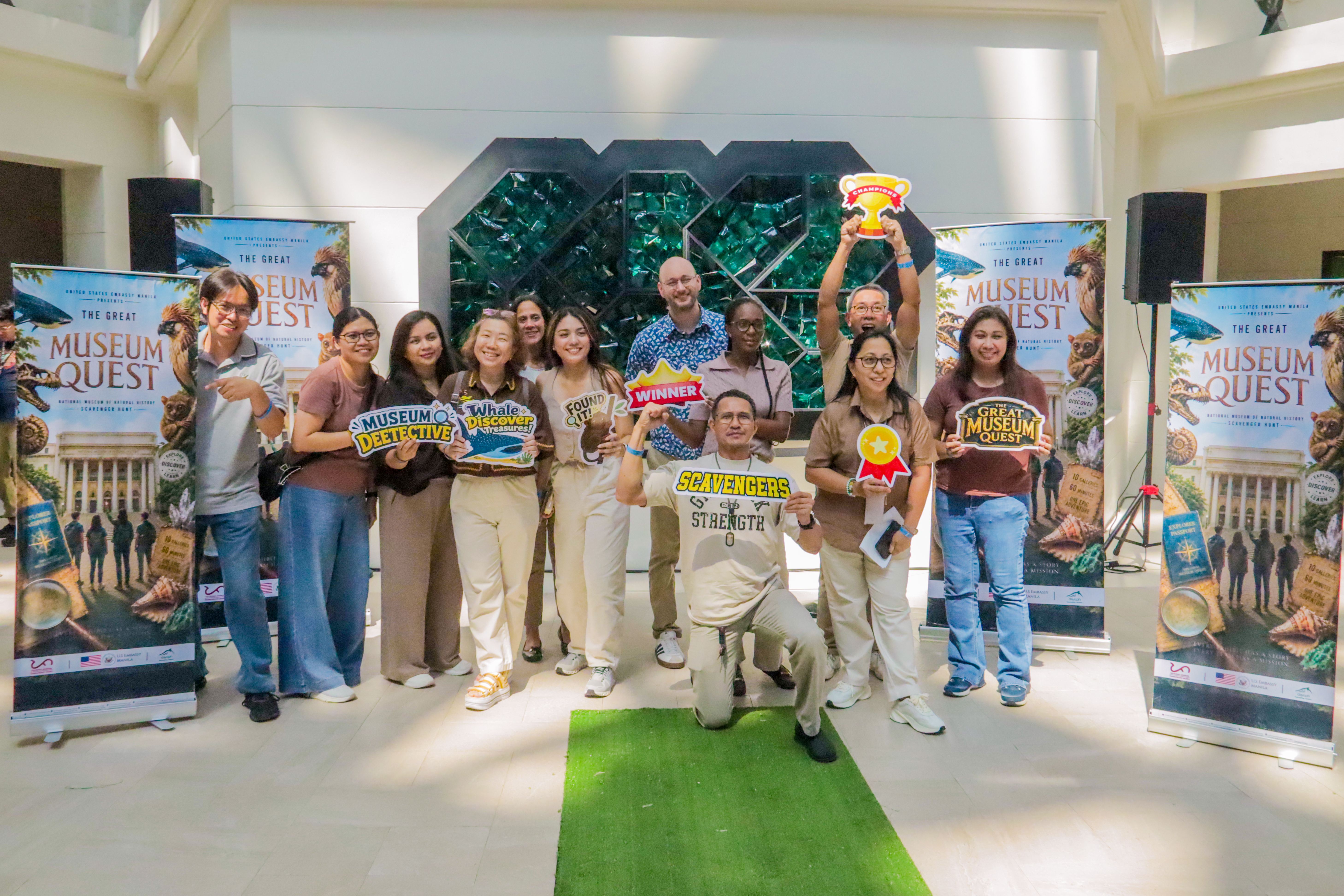
This was the idea behind The Great Museum Quest, a program designed by Dayo Philippines for the U.S. Embassy Manila's Consular Leadership Day at the National Museum of Natural History.
With approximately 170 participants, the program used the museum's galleries as the setting for an interactive experience built around Philippine history, heritage, natural history, and discovery.
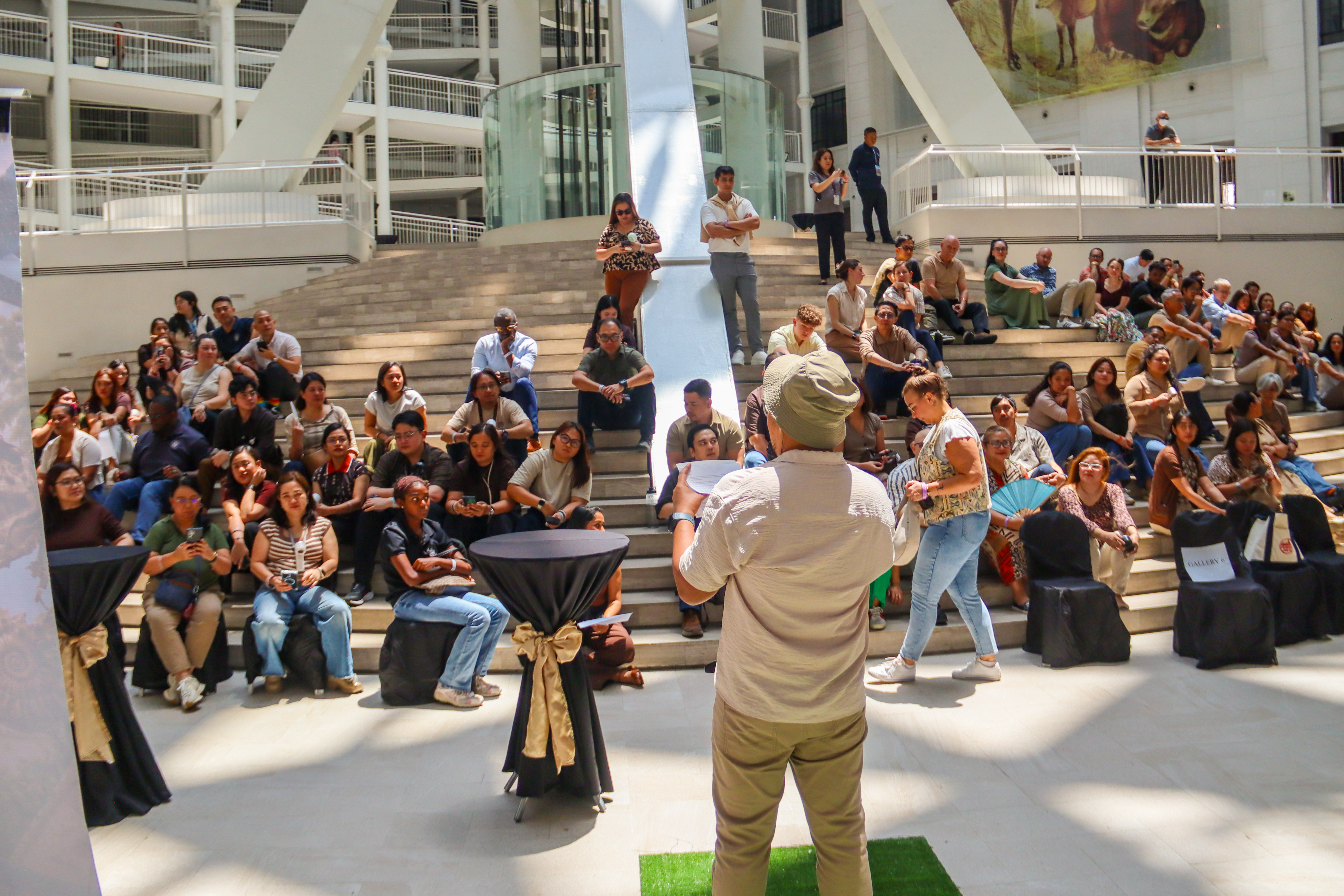
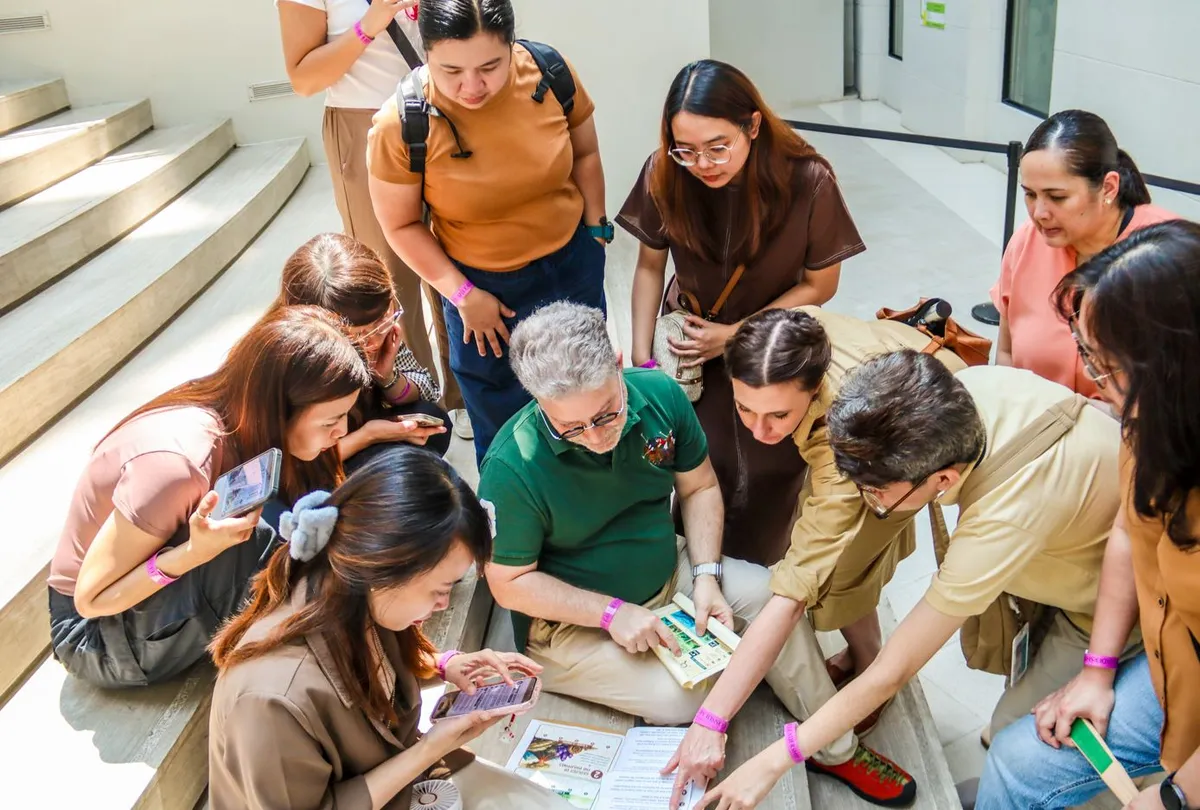
The objective was to make learning about the Philippines accessible and engaging for American and Filipino participants. Rather than relying solely on conventional presentations, Dayo developed a gallery-based quest in which participants received passports and maps, followed clues, explored exhibits, and identified answers along the way.
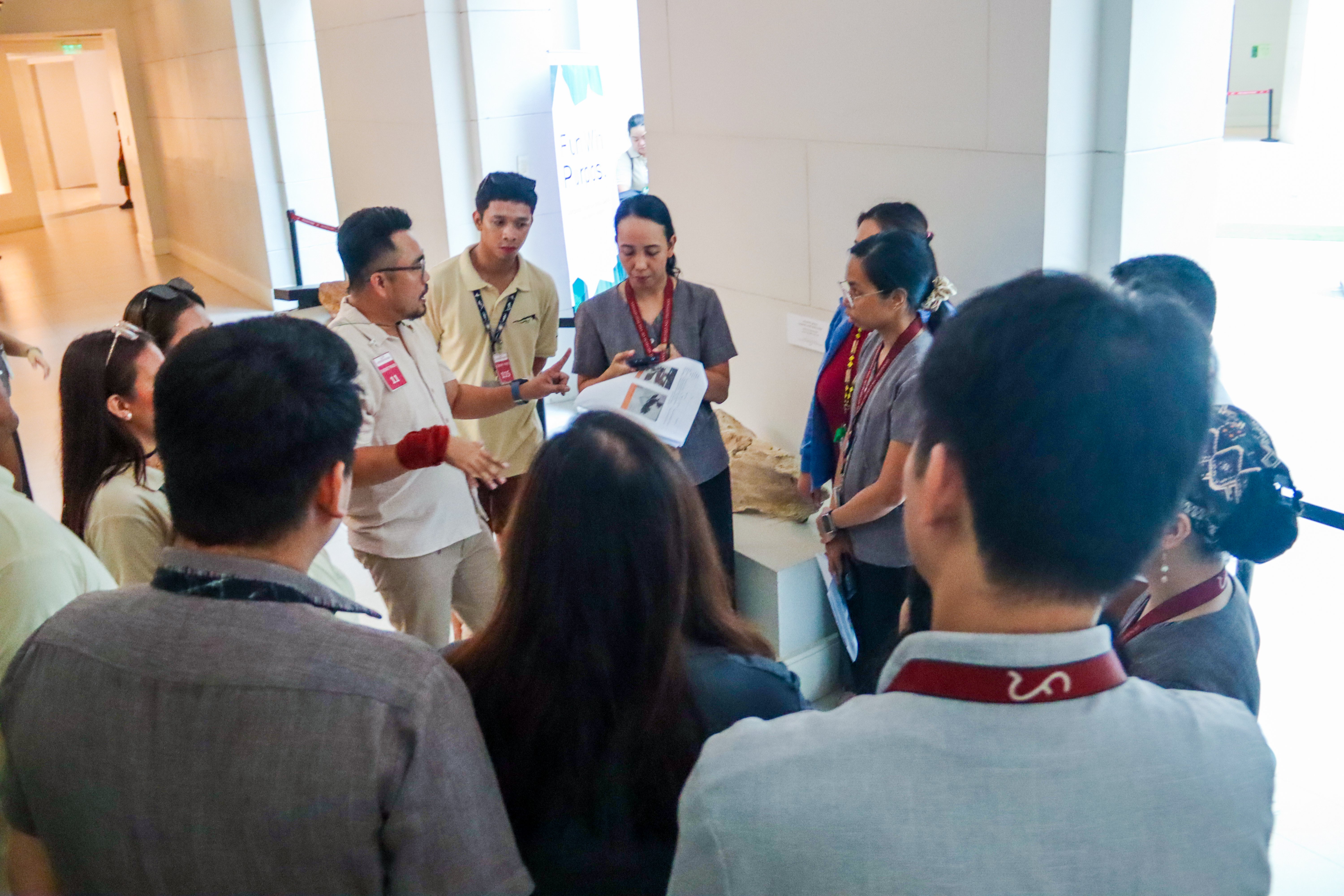
The experience combined exploration with opportunities to learn about the artifacts from a National Museum curator.
The idea was simple: turn a cultural-learning objective into something participants could actively experience together.
Understanding the Brief: Connecting American and Filipino Perspectives
The starting point was the purpose of the gathering.
Many of the delegates were American consular officials, alongside Filipino employees. One of the intended highlights was to showcase American-Filipino heritage and the connections between the two perspectives.
The brief presented an opportunity to make the Philippines itself part of the learning experience.
For American participants, the program could offer a way to discover more about Philippine history, archaeology, and natural history. For Filipino participants, it could provide an opportunity to revisit the importance of the country's natural heritage and its connection to identity.
The challenge was to bring these intentions together in a format that would feel engaging rather than overly formal.
Dayo Philippines approached the brief by developing a museum quest: an interactive activity that encouraged participants to explore the galleries, follow clues, and discover information through the exhibits.
The design aimed to make the experience fun, light, and informative, while creating opportunities for collaboration, learning, and shared discovery.
Instead of treating the museum simply as a backdrop, the program made the venue part of the activity itself.
Designing The Great Museum Quest
Once the learning objective was established, the next step was to translate it into an activity format participants could follow.
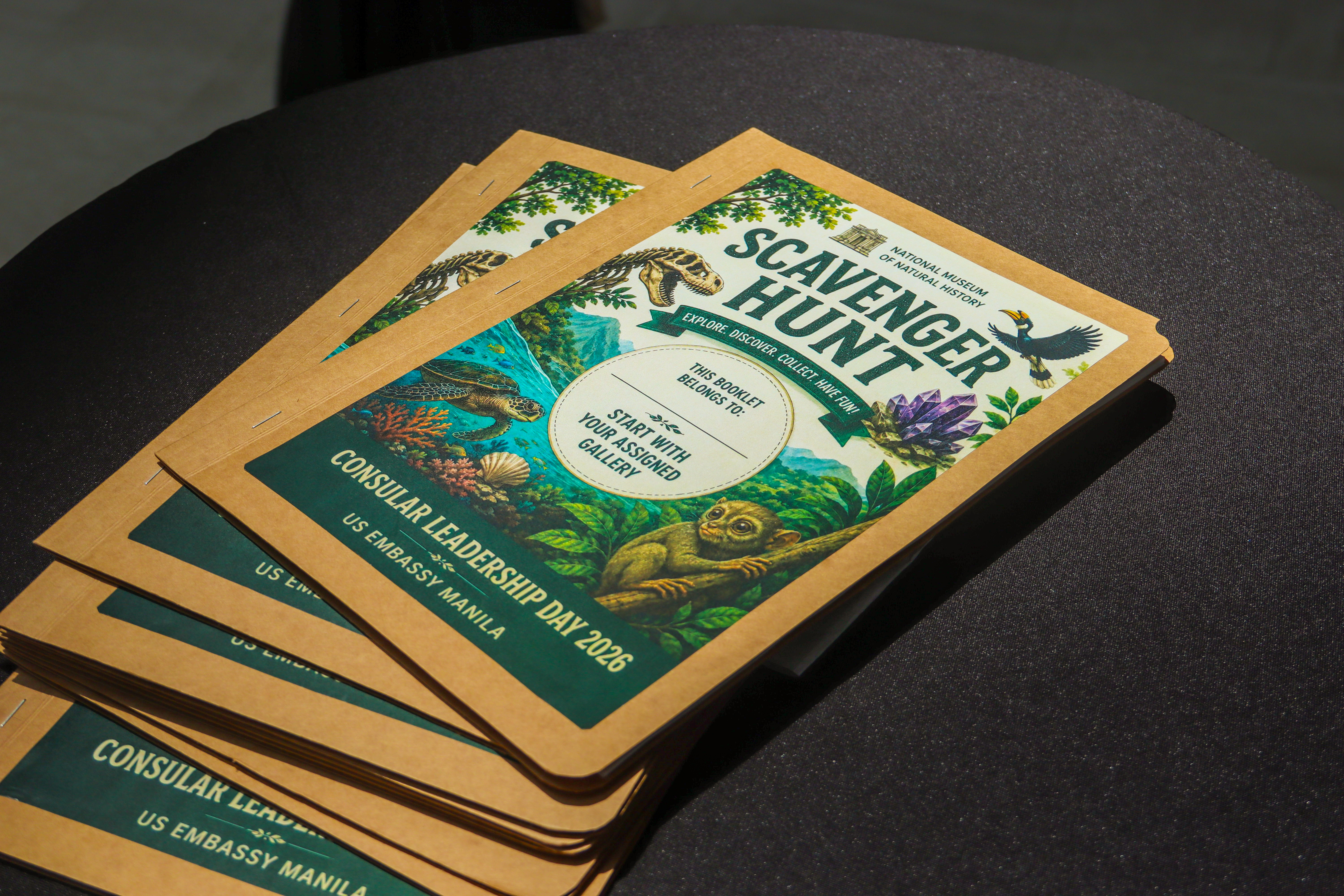
Dayo developed a passport-and-map approach that gave participants a practical starting point for their exploration.
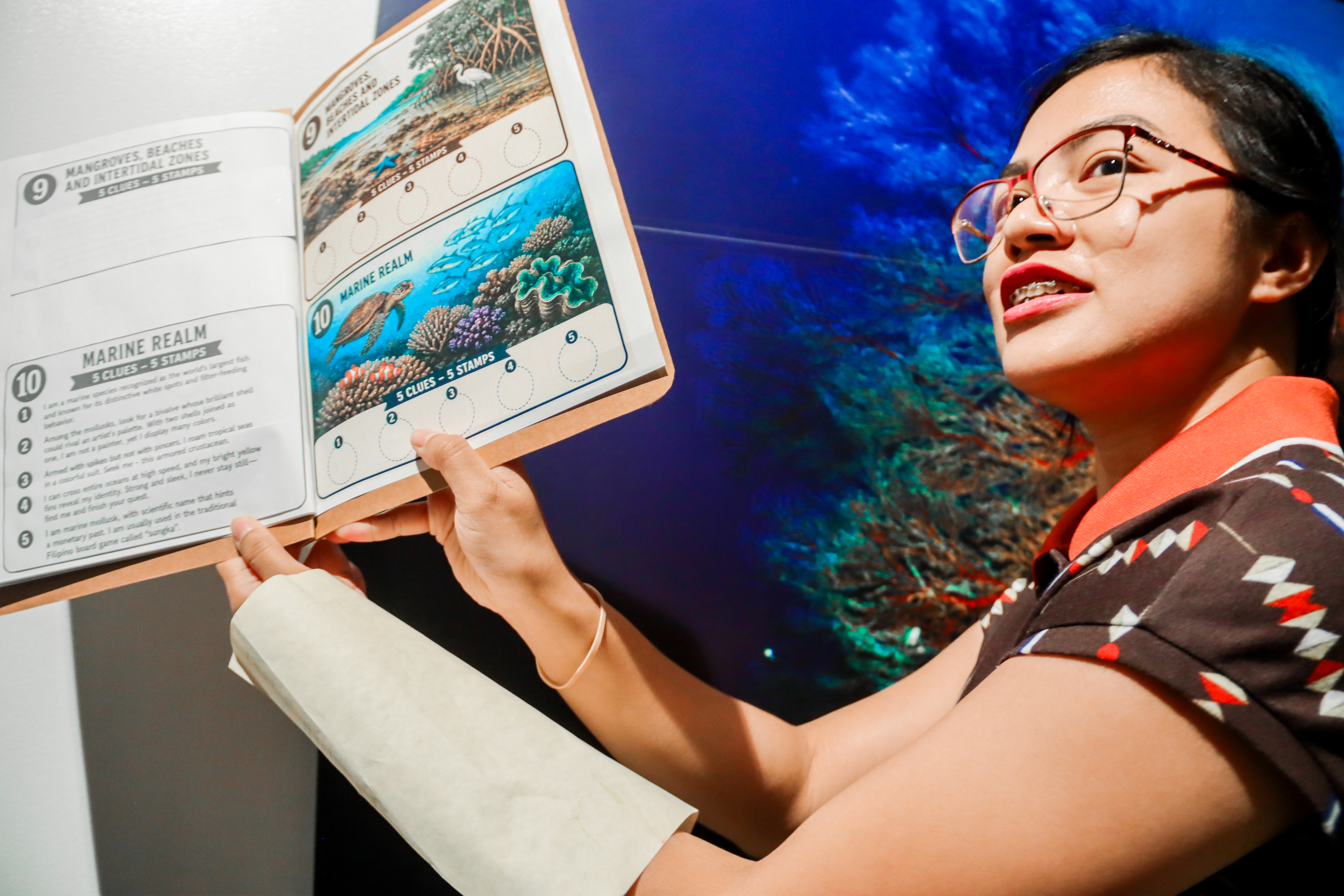
1. Passports and Maps: Giving Participants a Starting Point
Participants received passports and maps to guide their museum quest.
These materials provided a framework for navigating the activity and gave participants a way to engage with the challenge as they moved through the galleries.
The format also helped turn the exploration into a shared task. Rather than simply walking through the museum, participants had clues to follow and answers to identify.
The specific passport design, map layout, and rules can be documented further using the original program materials.
2. Gallery Exploration: Discovering Answers Through Clues
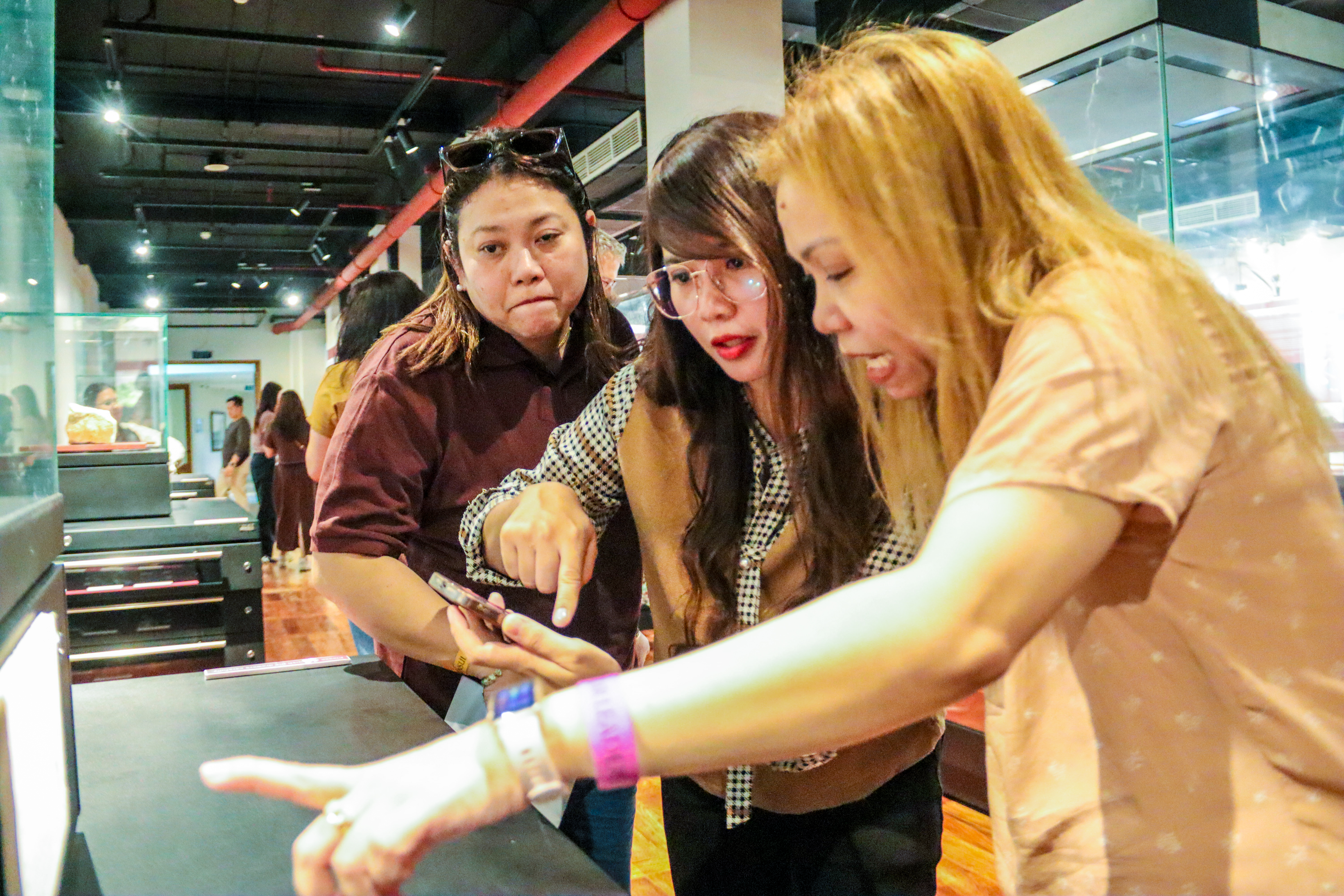
The quest invited participants to scour the galleries and identify answers based on clues.
This gave the museum visit an active dimension. Participants were encouraged to look more closely at the exhibits, search for relevant information, and engage with the material around them.
The activity was designed around learning and discovery, with the museum environment providing the setting for the questions and challenges.
The exact clues, number of stations, and featured exhibits should be added once confirmed from the final activity materials.
3. Curator-Led Learning: Bringing Artifacts into Context
An important part of the experience was the involvement of a National Museum curator, who provided brief information about the artifacts.
This added an informative layer to the quest. Participants were not limited to identifying answers through clues; they also had opportunities to hear context about the artifacts from a museum expert.
That combination mattered to the design.
The quest created a reason to explore, while the curator's explanations helped connect the activity with the educational purpose behind it.
The specific artifacts and galleries discussed have not yet been confirmed for publication, so this case study does not attribute particular historical facts or interpretations to the curator.
More Than a Gallery Visit
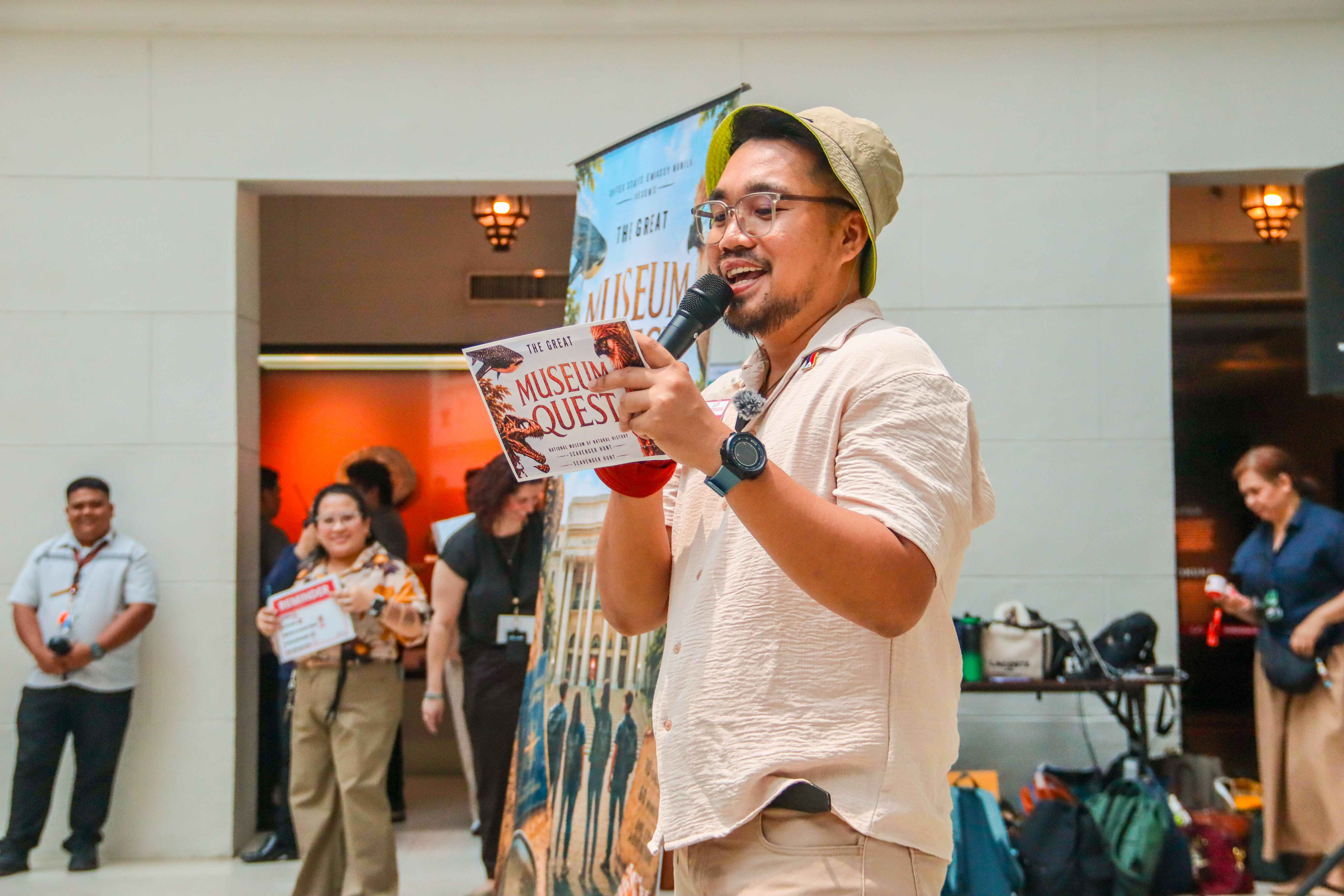
The Great Museum Quest was designed to bring several elements together: Philippine heritage, interactive exploration, informal learning, and group participation.
Its value as an event concept lay in how these elements were combined.
The passport and map gave participants a structure. The clues encouraged exploration. The gallery setting connected the activity to the museum's collections. The curator's explanations added context to the discoveries.
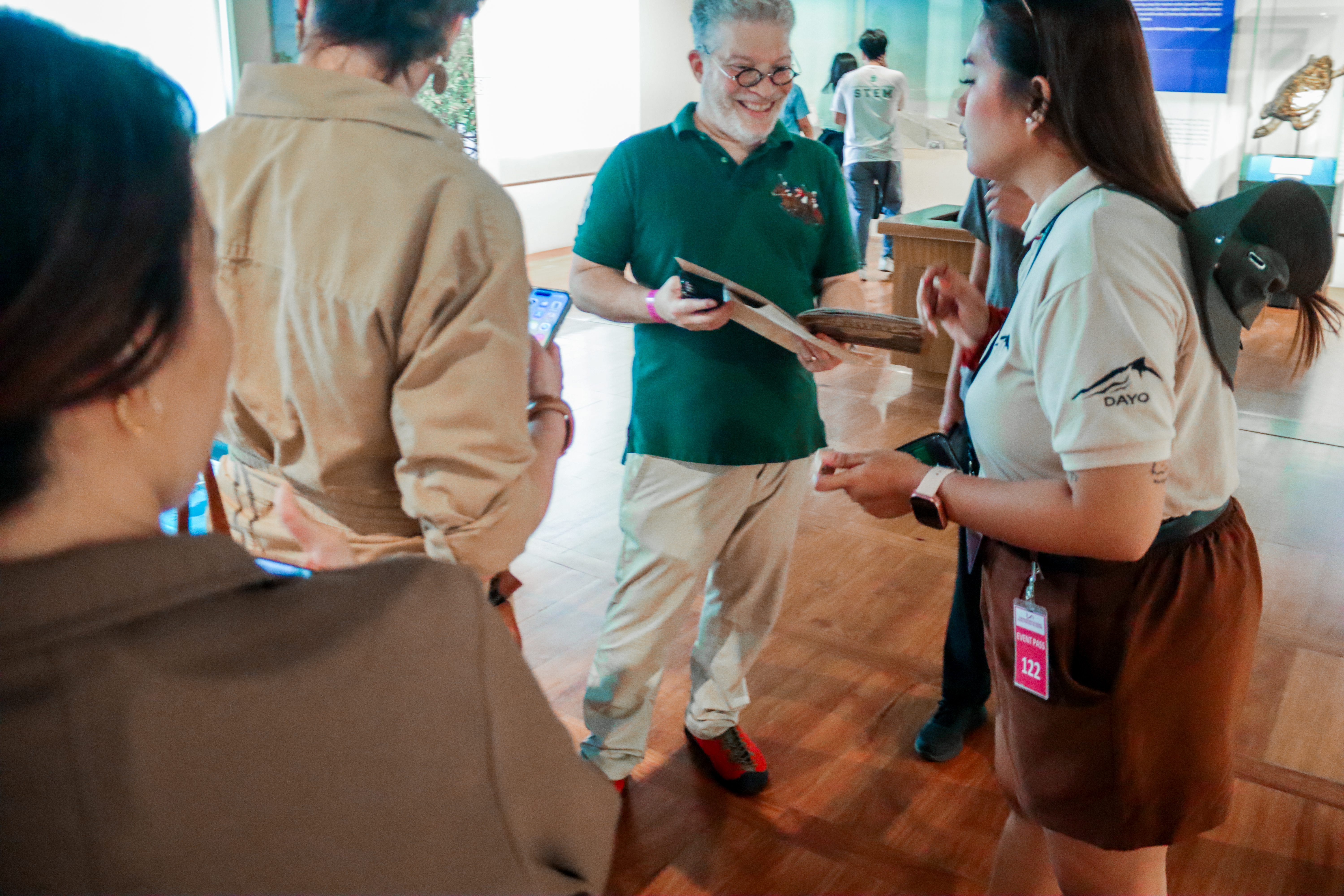
Together, these elements created an experience that was both educational in direction and participatory in format.
For the U.S. Embassy Manila's Consular Leadership Day, the program offered a way to explore the Philippines through a setting rich in history and natural heritage, while creating a shared activity for American and Filipino participants.
The broader intention was to encourage curiosity and make cultural learning a collective experience.
It is important to distinguish that intention from a measured result. Without participant feedback or post-event evaluation, we cannot claim that the activity demonstrably increased cultural understanding, strengthened collaboration, or changed participants' views. Those outcomes would require additional evidence.
What we can document is the program's design: an educational objective translated into a structured, clue-based museum quest with curator-led explanations.
The Planning Lesson: Start with the Purpose, Then Design the Activity
The Great Museum Quest offers a useful example for HR teams and corporate event organizers considering unconventional venues.
The first question is not necessarily, “What games can we run here?”
A more productive starting point is, “What should participants experience, learn, or explore in this setting?”
That question can guide the design in several ways.
Choose a format that fits the objective. A cultural-learning brief may call for exploration and discovery rather than a conventional competitive game.
Use the venue as part of the experience. A museum has galleries, artifacts, and educational resources that can inform activity design. The challenge is to build around those features appropriately.
Give participants a clear structure. Maps, passports, clues, and defined tasks can help participants understand how to take part.
Connect activities with reliable information. In this case, curator-led explanations provided an opportunity to add context to the artifacts participants encountered.
Keep the experience accessible and engaging. An educational program can still be interactive, enjoyable, and designed for group participation.
These are planning considerations, not universal guarantees. The appropriate format depends on the client's objectives, venue rules, audience, timing, and practical requirements.
Dayo Philippines: Designing Experiences Around the Brief
The Great Museum Quest illustrates Dayo Philippines' approach to customized corporate events: begin with the purpose of the gathering, develop a suitable concept, and translate that concept into an activity experience.
For this program, the brief centered on Philippine heritage and the connections between American and Filipino perspectives. The museum provided the setting, while the quest format created a way for participants to explore its galleries through clues and curator-led learning.
Dayo's role covered full program design and event coordination.
The result was a program concept that connected the event's educational direction with an interactive group experience, rather than treating the venue as a passive location.
For organizations looking for something beyond a conventional team-building setup, the project demonstrates the importance of designing activities around the setting and the reason people are gathering.
Planning a Corporate Team-Building Experience Beyond the Usual Format?
Not every corporate event needs the same venue, activity format, or theme. The right approach begins with understanding the audience, the event's purpose, and the kind of shared experience the organization wants to create.
Dayo Philippines designs and facilitates customized corporate team-building programs, with support for venue coordination and event logistics.
Whether you're planning a museum quest, a themed team challenge, or a larger corporate team-building event, start with the objective and build the experience around it.
Explore:Dayo Philippines Team-Building Services
Editorial note: This case study is based on the supplied event brief and activity description. The final event date, participant count, specific exhibits and clues, and any documented outcomes should be verified before publication.