From Sales Race to Shared Victory: The Story Behind Tindig URC, Atin ’To!
From Sales Race to Shared Victory: The Story Behind Tindig URC, Atin ’To!
When the Goal Is Victory, Everyone Has a Part to Play
A sales conference brings people together around targets, performance, and the next opportunity to win. But behind every sales victory is something bigger than individual performance: the ability of different people and teams to work toward a shared goal.
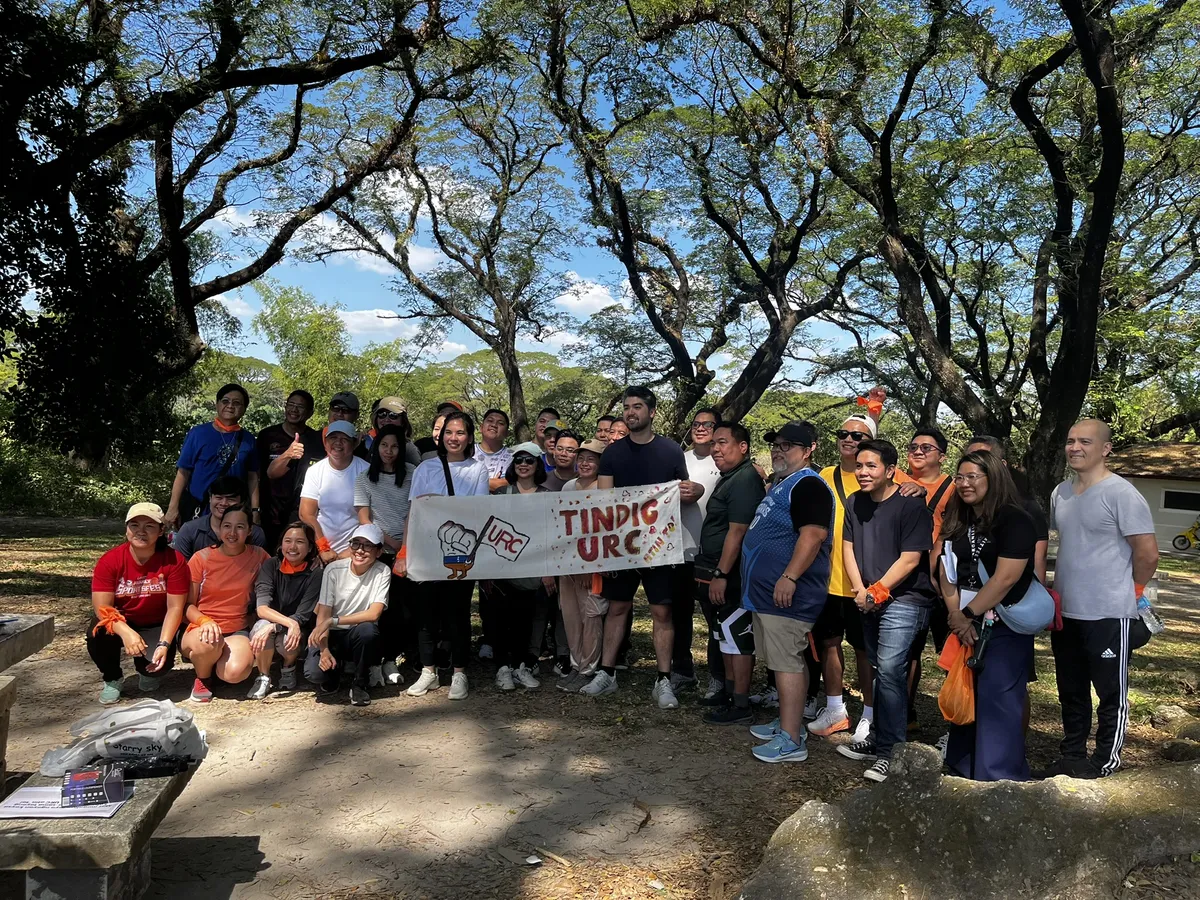
That idea became the foundation of Tindig URC, Atin ’To!, a National Sales Conference (NASCON) experience for Universal Robina Corporation (URC) in January 2025.
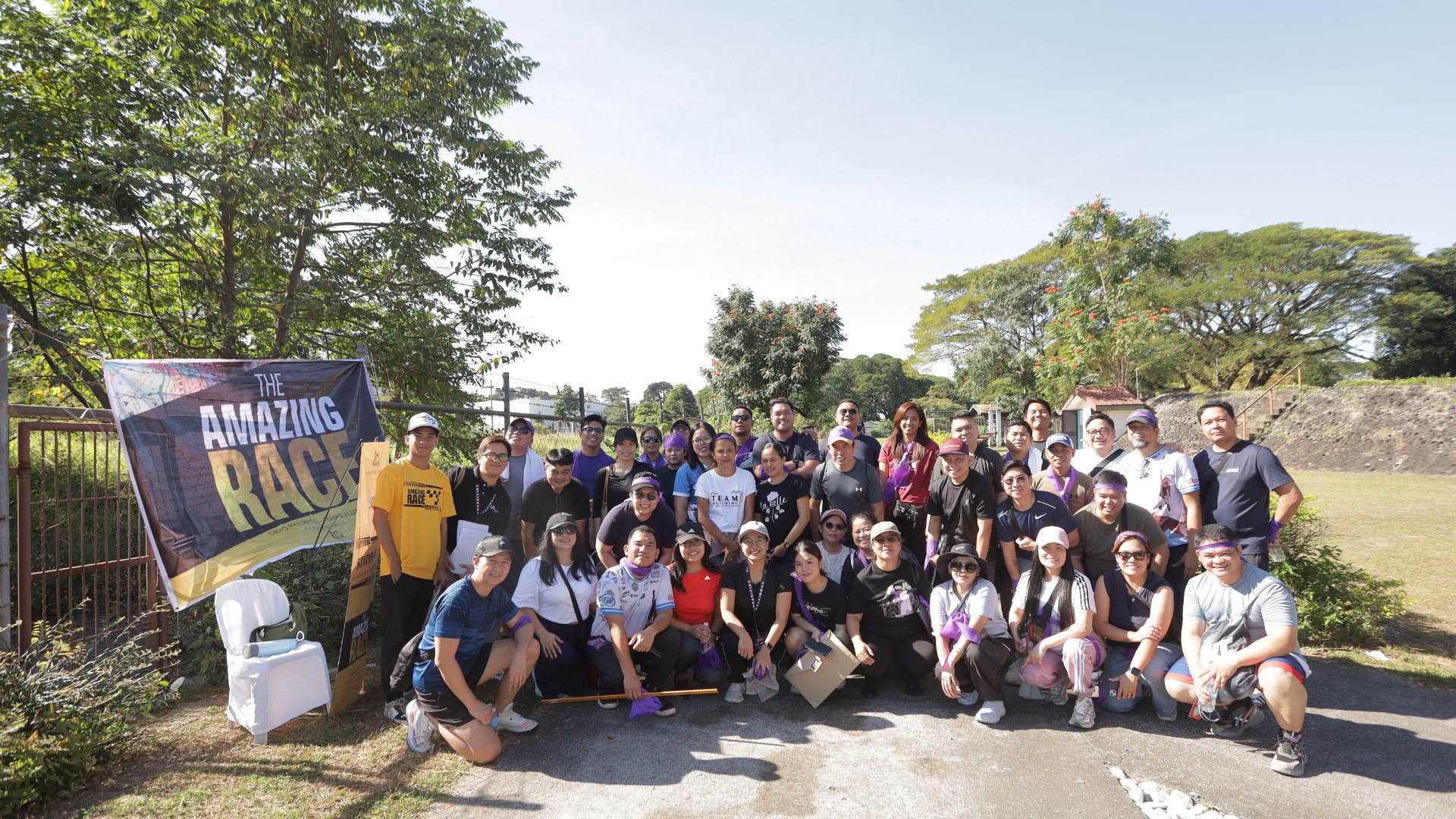
With approximately 400 delegates coming from across the Philippines, the conference theme expressed a clear rallying message: this is our time to stand together and claim victory.
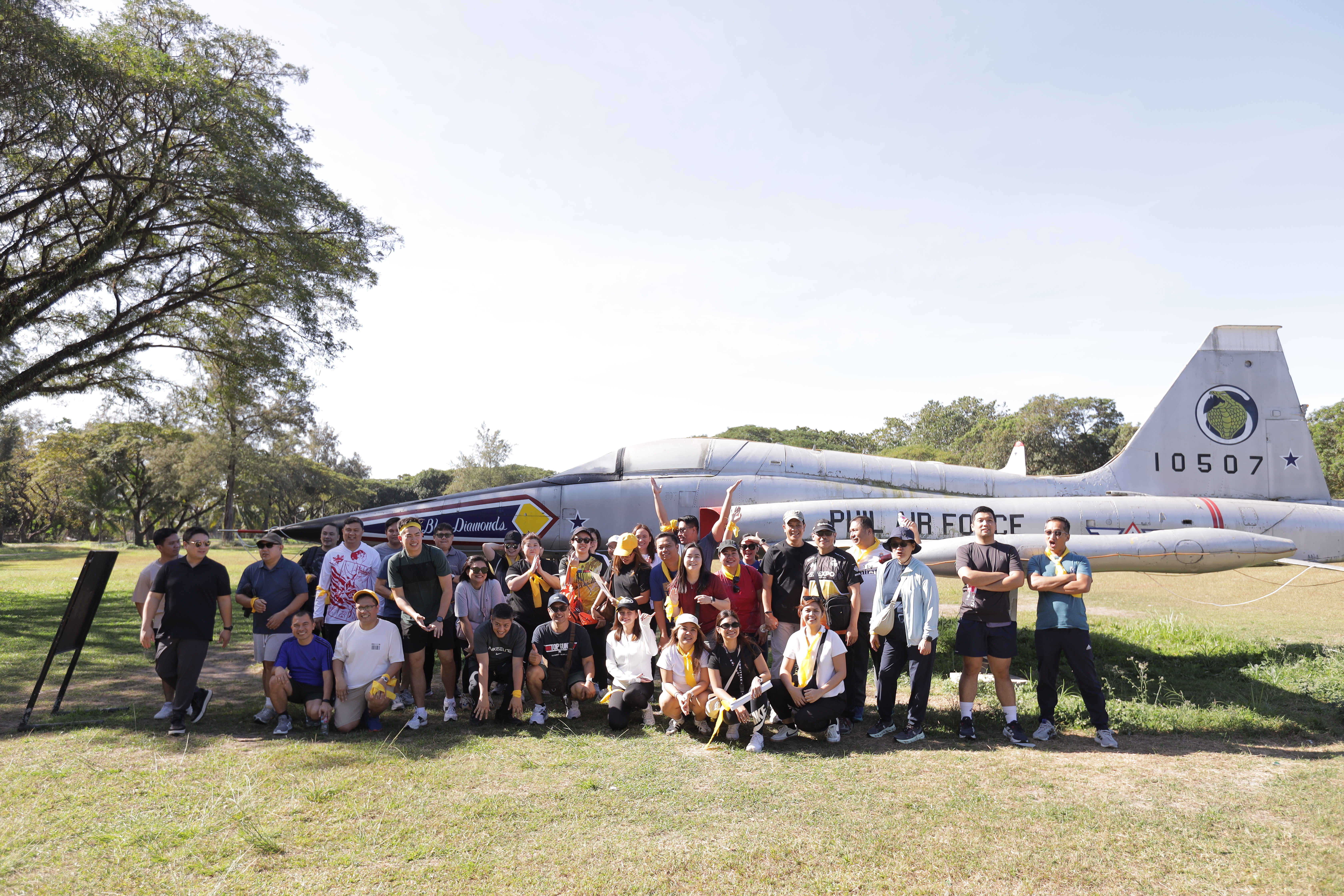
Dayo Philippines brought that message into an Amazing Race-style team-building program in Clark, Pampanga.
The experience combined pre-plotted routes, color-coded teams, competitive challenge stations, points earned along the way, and a final market challenge in which teams used their accumulated buying power to acquire materials for building a bridge.
The activity design created a progression: teams competed, solved problems, made decisions about resources, and ultimately faced a final task connected to a larger shared purpose.
The central idea was reflected in the conference theme itself:
Atin ’to. But claiming victory means knowing how to stand together.
The Brief: Bringing “Tindig URC, Atin ’To!” to Life
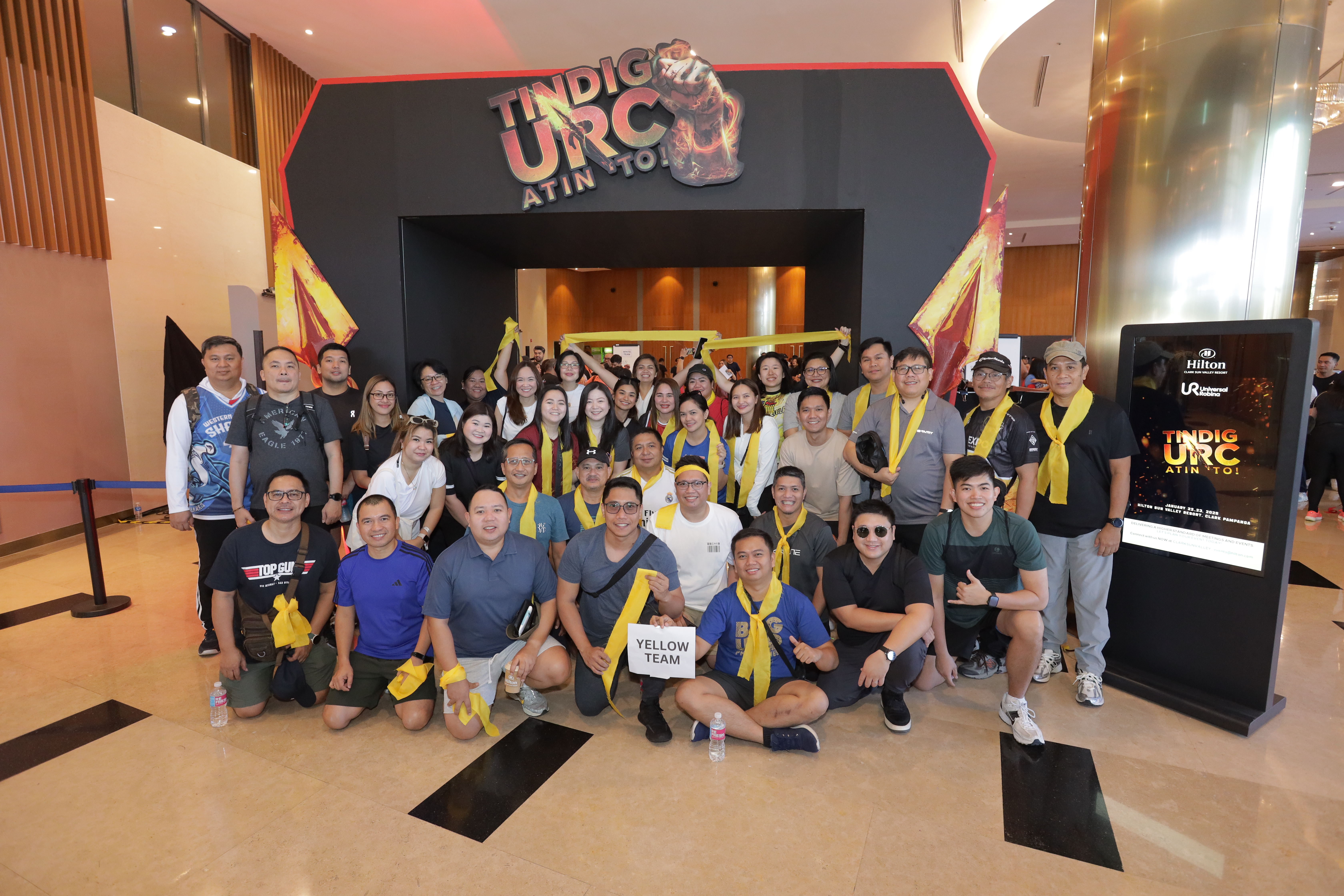
The concept began with the client's preferred theme: Tindig URC, Atin ’To!
With delegates arriving from different parts of the Philippines, the event needed a unifying message that could bring the group together around the ambition to reclaim victory.
The intention was to boost and inspire the sales delegates, reinforcing the idea that standing together would help them pursue a common goal.
Dayo Philippines anchored the team-building program in this message through an Amazing Race-style experience.
Rather than treating the theme as a title displayed on event materials, the program translated it into a sequence of challenges. Teams had to navigate their routes, overcome obstacles, earn points, make decisions, and complete a final construction task.
The design provided a way to explore several ideas relevant to a sales organization: problem-solving, coordination, resource allocation, and the relationship between individual contributions and collective success.
The final bridge-building challenge would bring those ideas together.
Designing the Race for 400 Delegates
A program for approximately 400 participants requires more than a list of games. The route, team assignments, logistics, and challenge sequence must work together to create an organized experience.
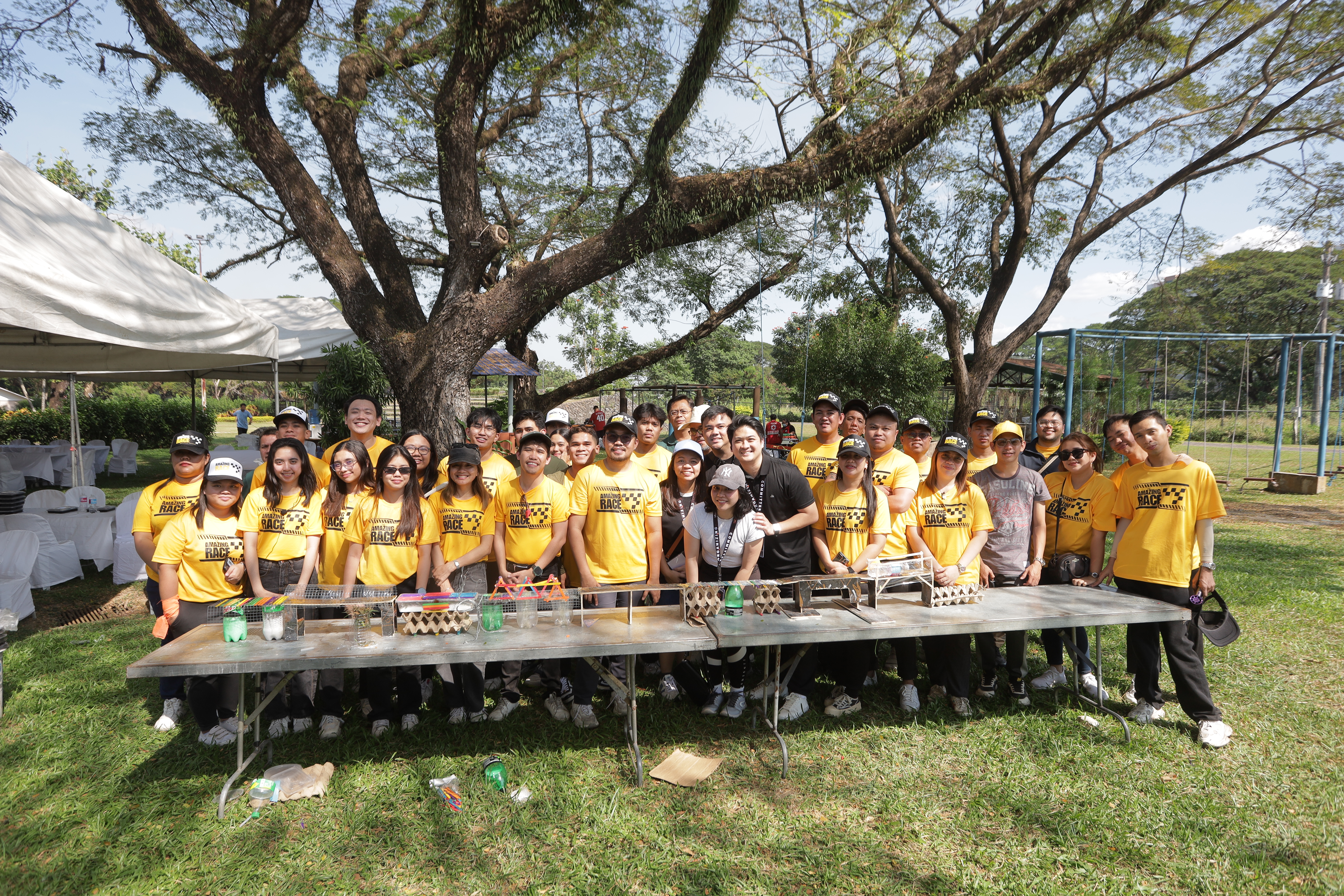
For Tindig URC, Atin ’To!, the activity was structured around eight buses, with each bus corresponding to one color-coded team.
The routes were pre-plotted, with designated stations and opposing teams assigned along the way.
This structure gave the program a race format while establishing a plan for how the large group would move through the experience.
Before execution, Dayo conducted an ocular inspection and addressed safety and logistics requirements. These preparations formed part of the work needed to deliver the program across multiple teams and stations.
The detailed route map, station count, safety arrangements, and exact rotation mechanics should be documented from the original event plan rather than reconstructed from memory.
The broader planning principle is clear: a large-scale Amazing Race is as much about coordination behind the scenes as it is about the challenges participants experience.
The Challenge Stations: Different Ways to Overcome Obstacles
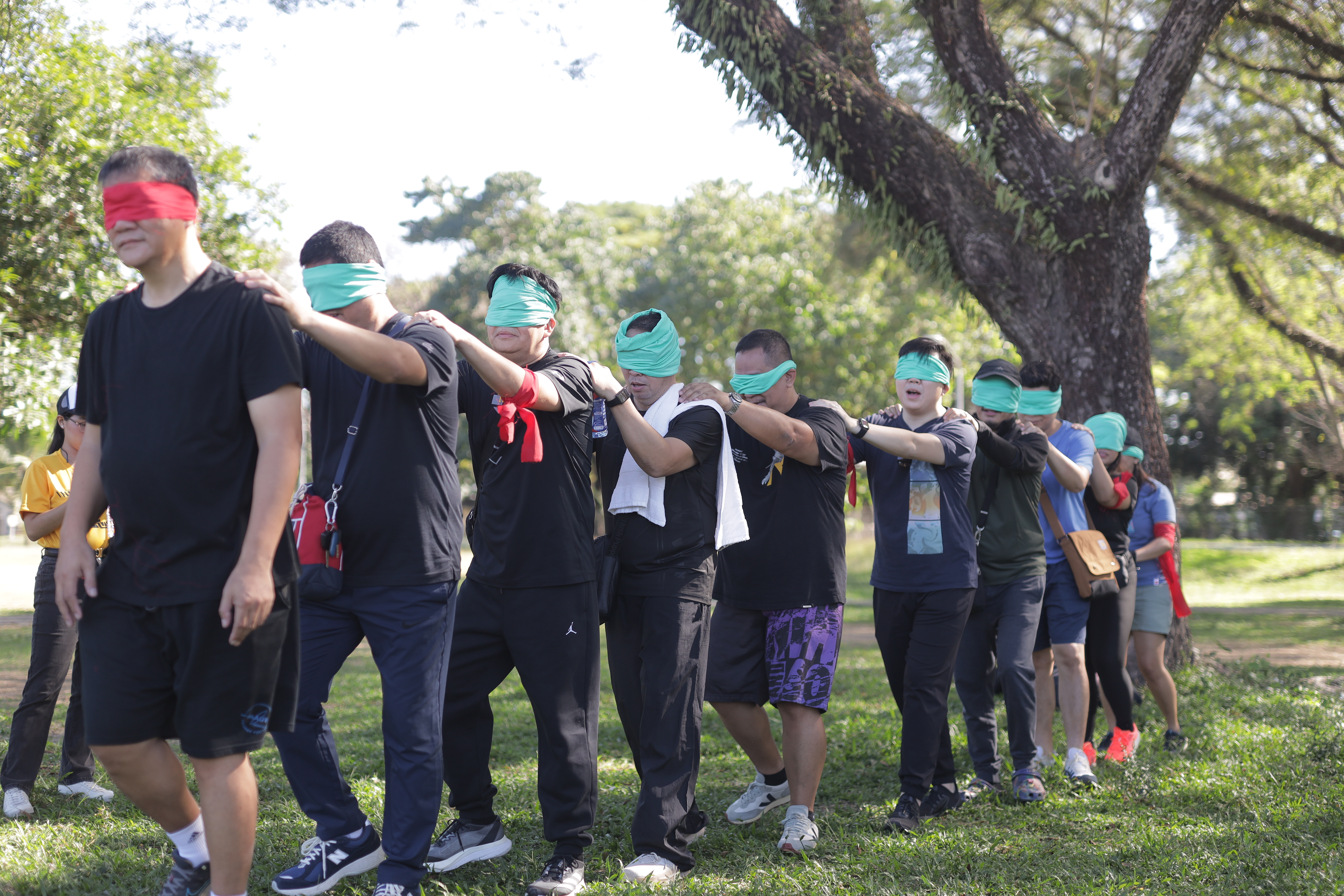
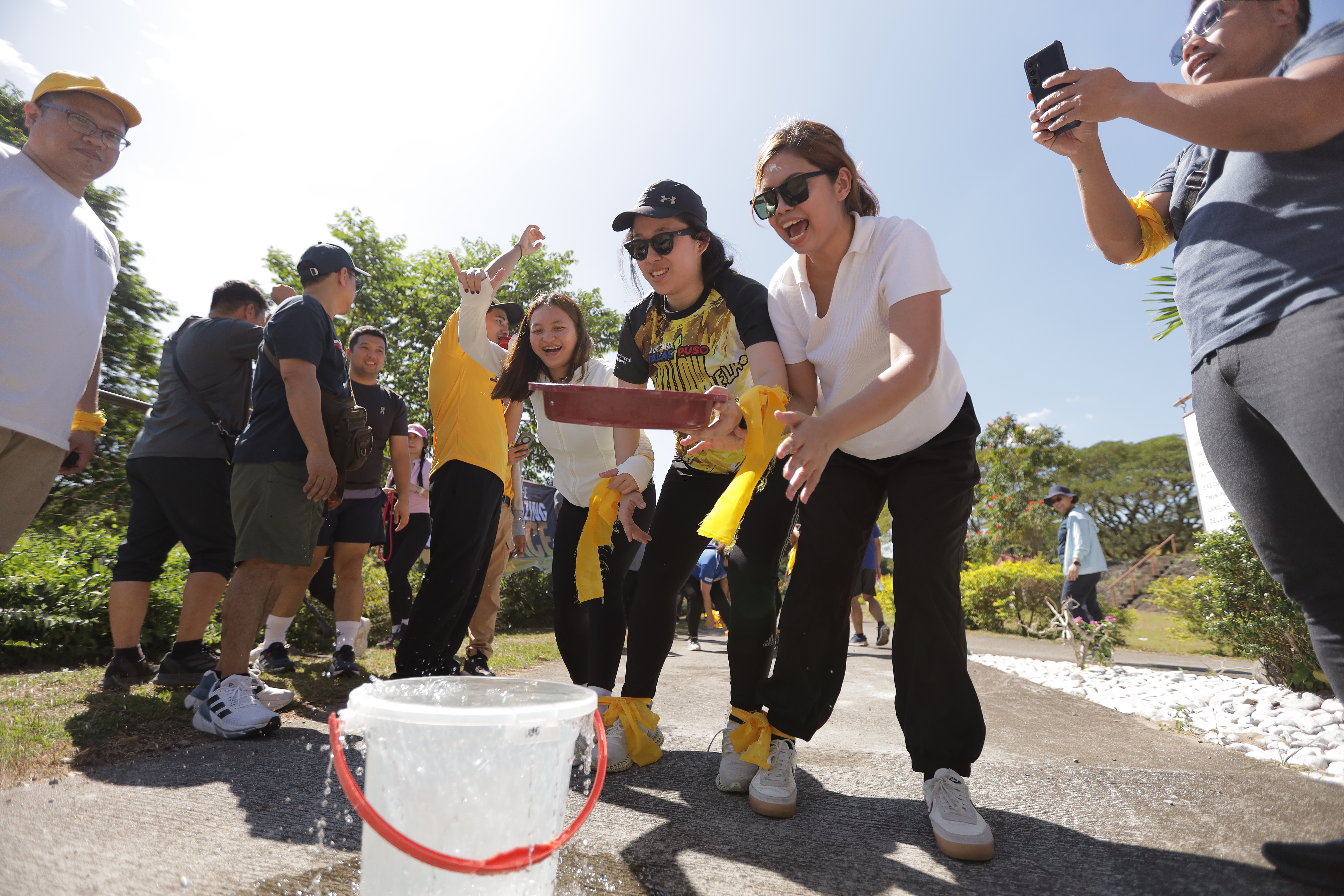
Along the pre-plotted routes, teams encountered challenges that called for different kinds of participation and problem-solving.
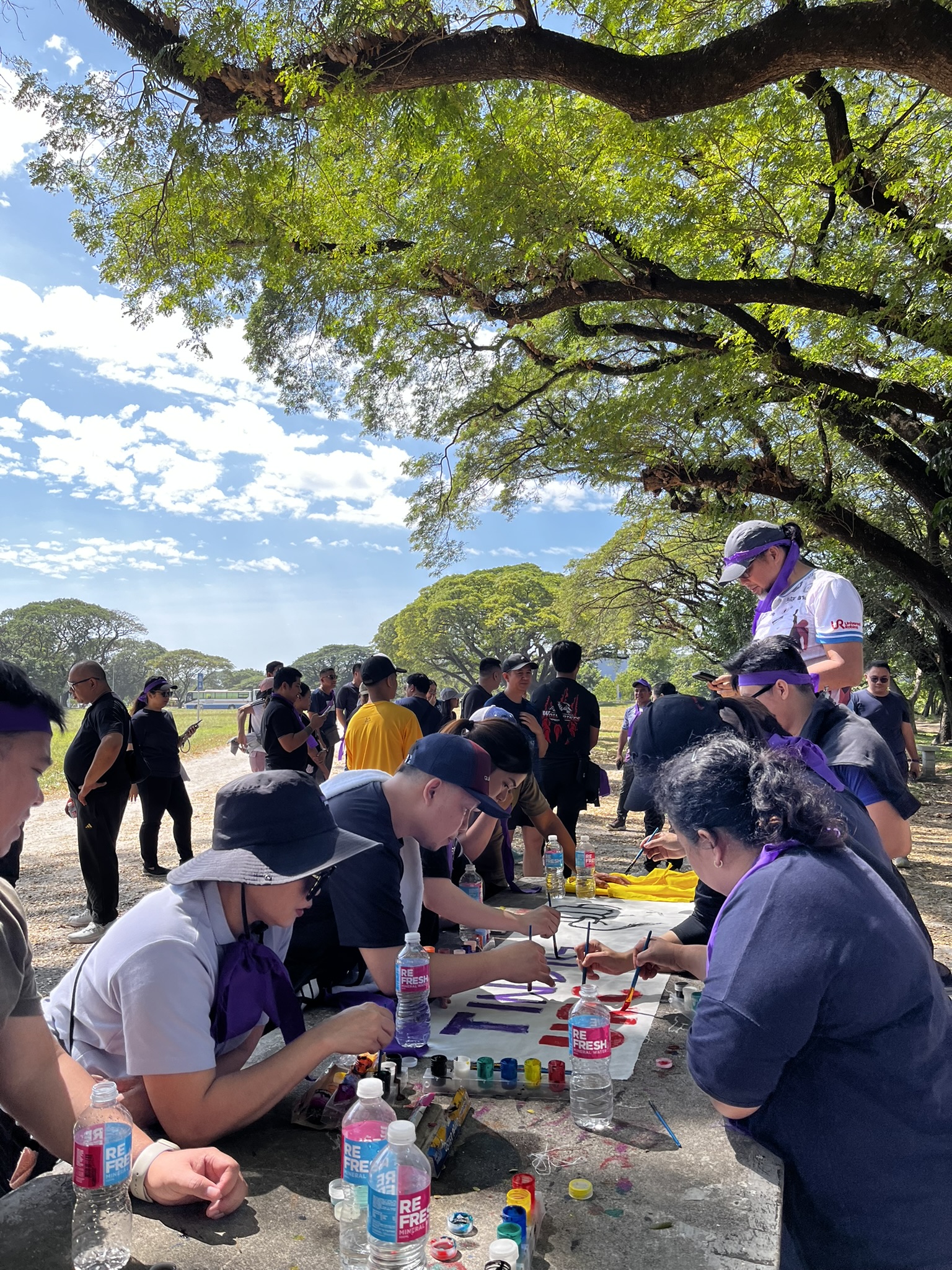
The program included creative tasks, puzzles, scavenging activities, and physically demanding challenges such as military crawling.
These activities gave the race variety. Teams were not progressing through a single type of task; they needed to respond to different challenges as they advanced through the program.
The design connected the race format with the conference's intended message. Standing together meant more than moving quickly. Teams needed to coordinate their efforts and find ways to overcome the challenges presented at each stage.
The exact activity names, rules, scoring mechanics, and individual station objectives should be confirmed from the original program materials before being published in greater detail.
What distinguishes the overall design is the way the challenges formed part of a larger progression. Completing stations earned teams points, and those points would become important in the next phase.
From Earning Points to Making Decisions: The Final Market Challenge
One of the most distinctive elements of the program was the Final Market Challenge.
Throughout the race, teams earned points at different stages and stations. Those points translated into buying power that teams could use later in the final market.
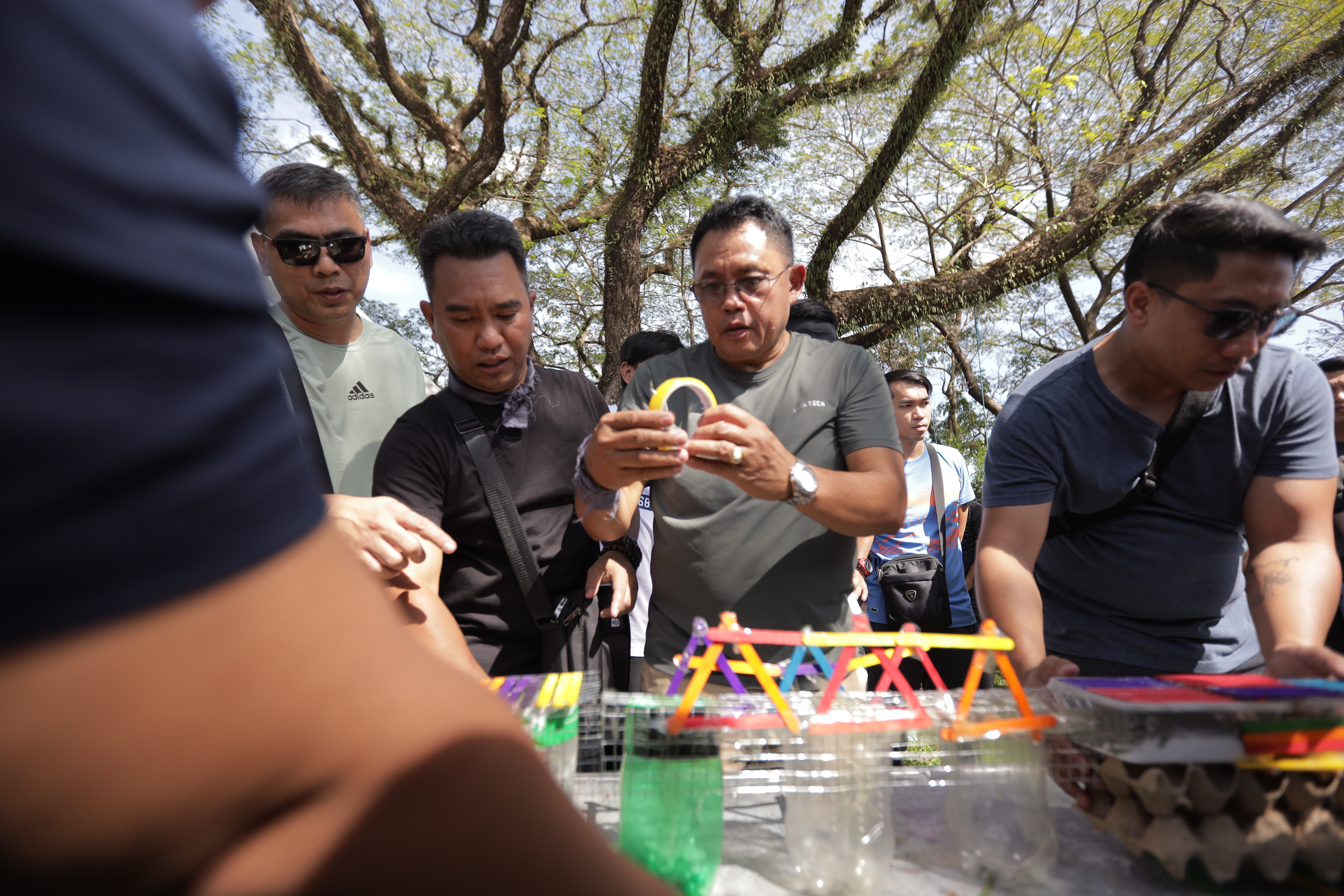
There, participants encountered materials they could purchase to help them build a bridge.
This introduced a new dimension to the experience.
During the race, the immediate task was to overcome the challenge at hand and earn points. At the market, teams had to consider how to use the resources available to them.
The challenge was no longer simply about collecting points. It was about making decisions with consequences for the final task.
Teams had to weigh their options, consider the resources they needed, and decide how best to use their buying power.
That created an opportunity to connect the game mechanics with decision-making in a sales context. Sales leaders routinely work within constraints, assess options, and decide how to allocate resources toward a desired objective.
The activity provided a simulation of those considerations, without claiming to reproduce the full complexity of actual sales decisions.
The detailed market rules, point-to-buying-power conversion, available materials, and evaluation criteria should be confirmed before including specific examples.
The Bridge-Building Finale: Connecting Individual Strengths to a Shared Goal
The race culminated in a bridge-building challenge.
All eight teams were tasked with creating a bridge that connected point A to point B. The materials available to them came through the Final Market Challenge, linking their earlier decisions to the construction task.
This final activity provided the clearest expression of the program's intended message.
The teams had competed along their routes, completed challenges, and earned points independently. They then had to work with the resources they had acquired to complete a construction task.
In the program's debriefing concept, the eight teams represented strong units, with each unit contributing toward a larger organizational goal.
The bridge offered a way to discuss that relationship: individual teams have their own strengths, but the larger objective requires their contributions to connect.
This connected the physical task to the conference's rallying theme, Tindig URC, Atin ’To! The message was about standing together and pursuing victory as a collective.
The bridge's actual judging criteria, whether teams collaborated directly across groups, and the final results should be verified from the event records. The article does not assume that the eight teams physically joined their bridges into one structure unless the original program confirms that detail.
Connecting the Experience to a Champion Mindset
The debriefing was an important part of the program because it provided an opportunity to connect the activities to the conference's broader message.
The intended themes included team coordination, decision-making, the value of individual units, and the importance of standing together toward a shared goal.
The progression of the race gave the discussion concrete reference points.
Teams experienced challenges, earned points, made purchasing decisions, and used materials to attempt the final bridge-building task. Those experiences created opportunities to reflect on how decisions made at one stage could affect what was possible later.
The final construction challenge also provided a way to discuss how different contributions can support a larger objective.
For a sales conference, this message is relevant without needing to claim that a team-building activity can directly produce sales results. The program was designed to reinforce the mindset and behaviors associated with pursuing a shared ambition.
Whether participants reported changes in motivation, collaboration, or sales confidence would require post-event feedback or evaluation. No such measured results have been supplied for this case study.
What HR and Sales Leaders Can Learn from Tindig URC, Atin ’To!
The program offers several practical considerations for organizations planning a large-scale team-building event.
Start with the conference message. The client's preferred theme provided the creative direction for the activity, rather than being added after the games were chosen.
Design for the size of the group. Eight buses and eight color-coded teams provided a clear organizing structure for approximately 400 delegates.
Give challenges a larger purpose. Creative tasks, puzzles, scavenging, and physical challenges formed part of a race that progressed toward a final objective.
Connect game mechanics. Points earned during the race became buying power in the market, linking earlier performance with later decisions.
Create opportunities for reflection. The bridge-building finale gave the debrief a concrete example through which to discuss individual contributions and shared goals.
Plan execution as carefully as the activities. Ocular inspection, safety planning, logistics, and route coordination were essential parts of delivering a multi-station program.
These are planning principles, not guaranteed outcomes. Their effectiveness depends on the actual activity design, participant needs, execution, and facilitation.
Dayo Philippines: Turning a Conference Theme into a Team-Building Experience
For Tindig URC, Atin ’To!, Dayo Philippines took a rallying theme and translated it into a structured Amazing Race-style program.
The experience connected multiple elements: route-based competition, varied challenge stations, accumulated points, resource-allocation decisions, and a bridge-building finale.
Dayo's role covered full program design and facilitation, supported by ocular inspection, safety considerations, and logistics planning.
The program's defining feature was the way its stages connected. Teams did not simply complete a collection of unrelated games. Their progress through the race influenced the resources available for the final challenge, and the final challenge provided a basis for reflecting on the conference's shared-victory message.
For organizations planning sales conferences or large corporate gatherings, this is one approach to making a theme part of the participant experience: start with the message, design challenges around it, and use the debrief to connect the experience back to the objective.
Planning a Large-Scale Corporate Team-Building Program?
A corporate team-building program can be designed around many kinds of objectives, from collaboration and problem-solving to friendly competition and shared organizational goals.
Dayo Philippines designs and facilitates customized team-building experiences, with support for program planning, logistics, and event coordination.
Whether you're organizing a sales conference, a corporate sportsfest, or a large-scale team-building event, the starting point is understanding the objective and building an experience around it.
Explore:Dayo Philippines Team-Building Services
Case study note: This article is based on the supplied details for URC's January 2025 National Sales Conference. The exact event date, official venue name, station details, market mechanics, bridge criteria, and any measured outcomes should be verified before publication.