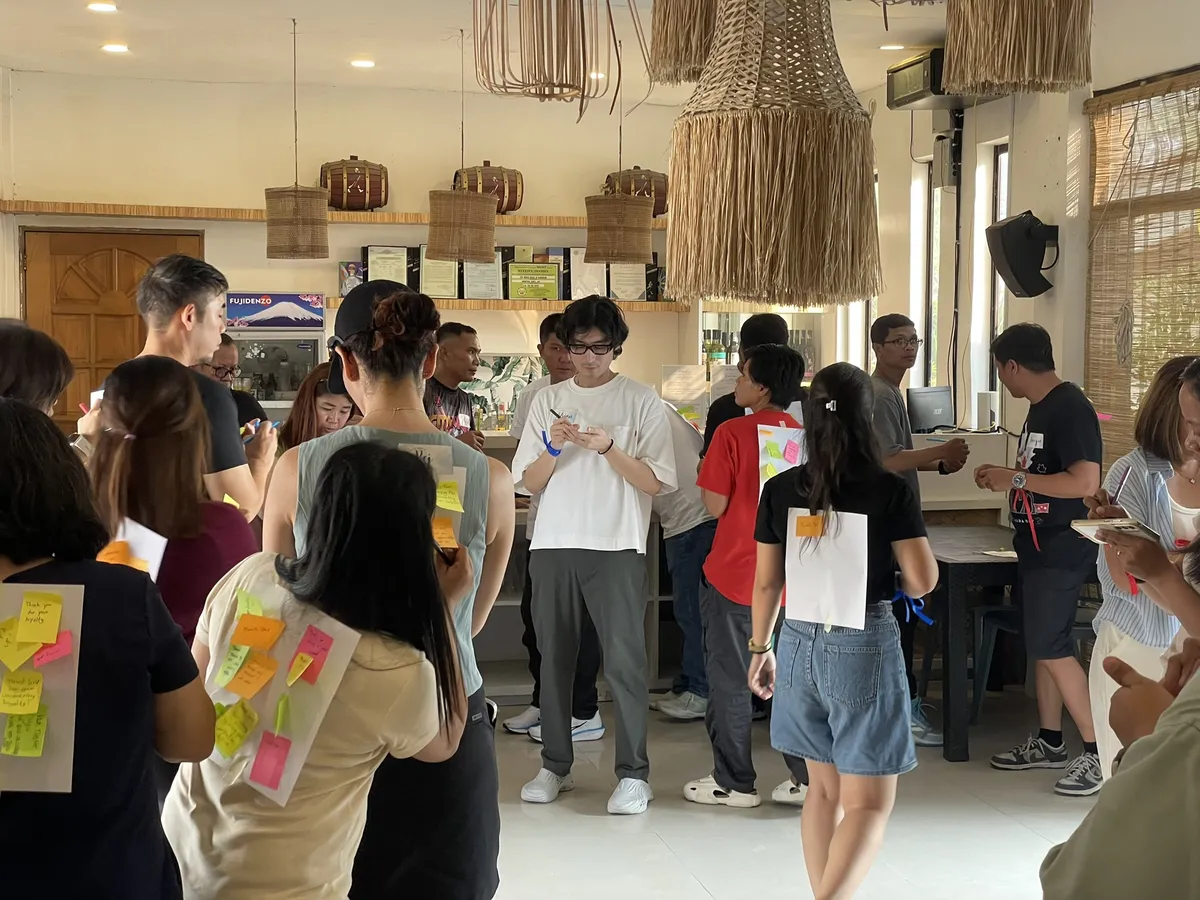
Sample Corporate Team Building Program: One-Day & Overnight
Sample Corporate Team Building Program: One-Day and Overnight Itineraries
One of the most important parts of organizing a corporate team building event is creating a program schedule that works for both the participants and the organizing team.
A schedule that is too packed can leave employees feeling rushed, while a program with too much unstructured time may not deliver the experience the company intended. The challenge is to balance facilitated activities, meals, breaks, travel considerations, and opportunities for employees to socialize.
For HR teams planning a company event in the Philippines, the right schedule depends on the participant count, venue, event objectives, and whether the program will run for one day or overnight.
In this guide, we'll explore sample itineraries for both formats and explain how to adjust them to your company's requirements.
1. What Should a Team Building Program Schedule Include?
Before assigning exact times, identify the main components of your event.
A typical corporate team building program may include:
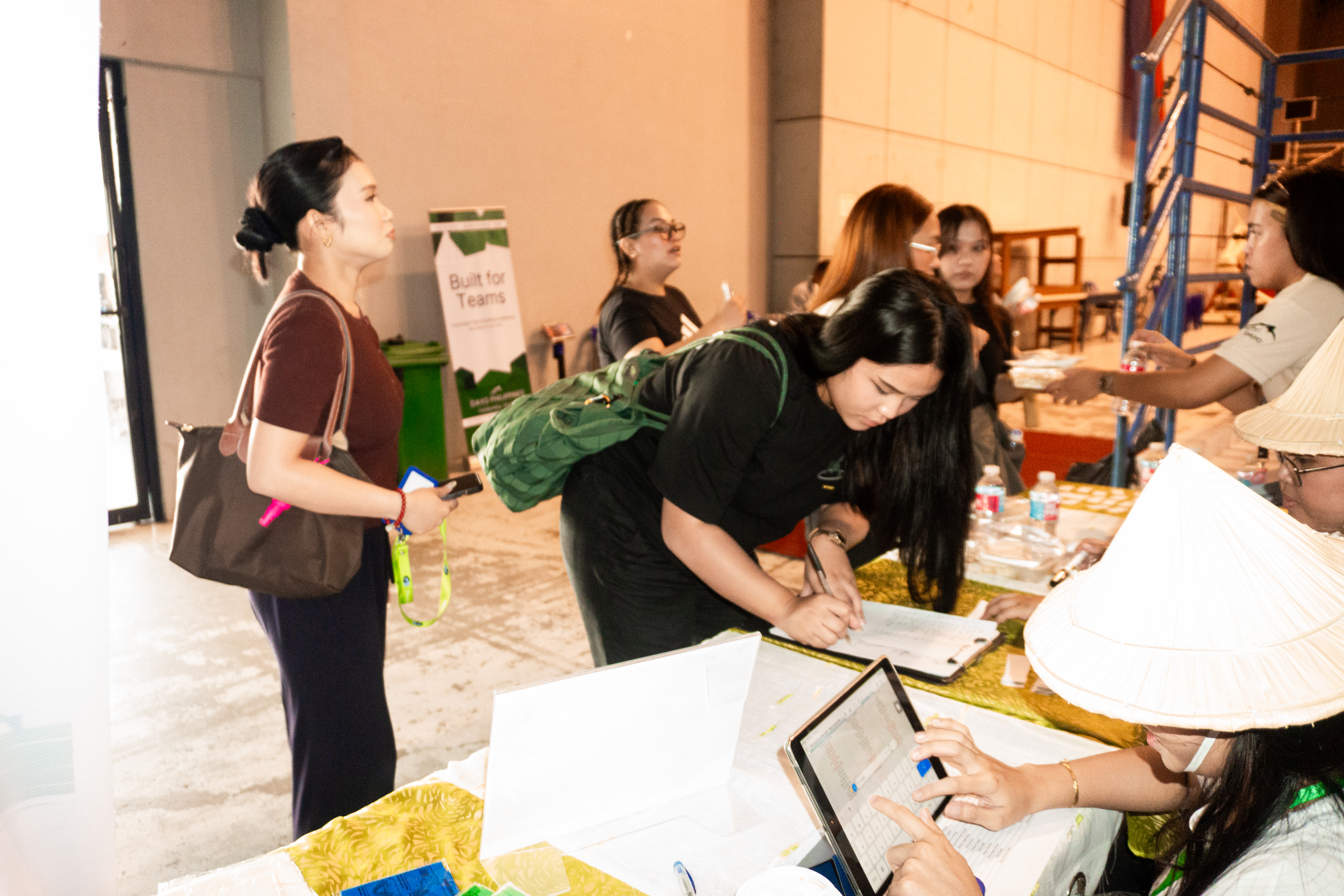
Registration and participant orientation
Opening remarks and program introduction
Icebreakers or introductory activities
Main team challenges
Meal breaks and refreshments
Recreation or free time
Reflection or discussion segments, where appropriate
Closing activities and announcements
Additional segments may be necessary for company presentations, recognition, entertainment, awards, or formal speeches.
Not every event needs all these components. The schedule should reflect the purpose of the gathering rather than follow a fixed template.
2. Sample One-Day Team Building Program
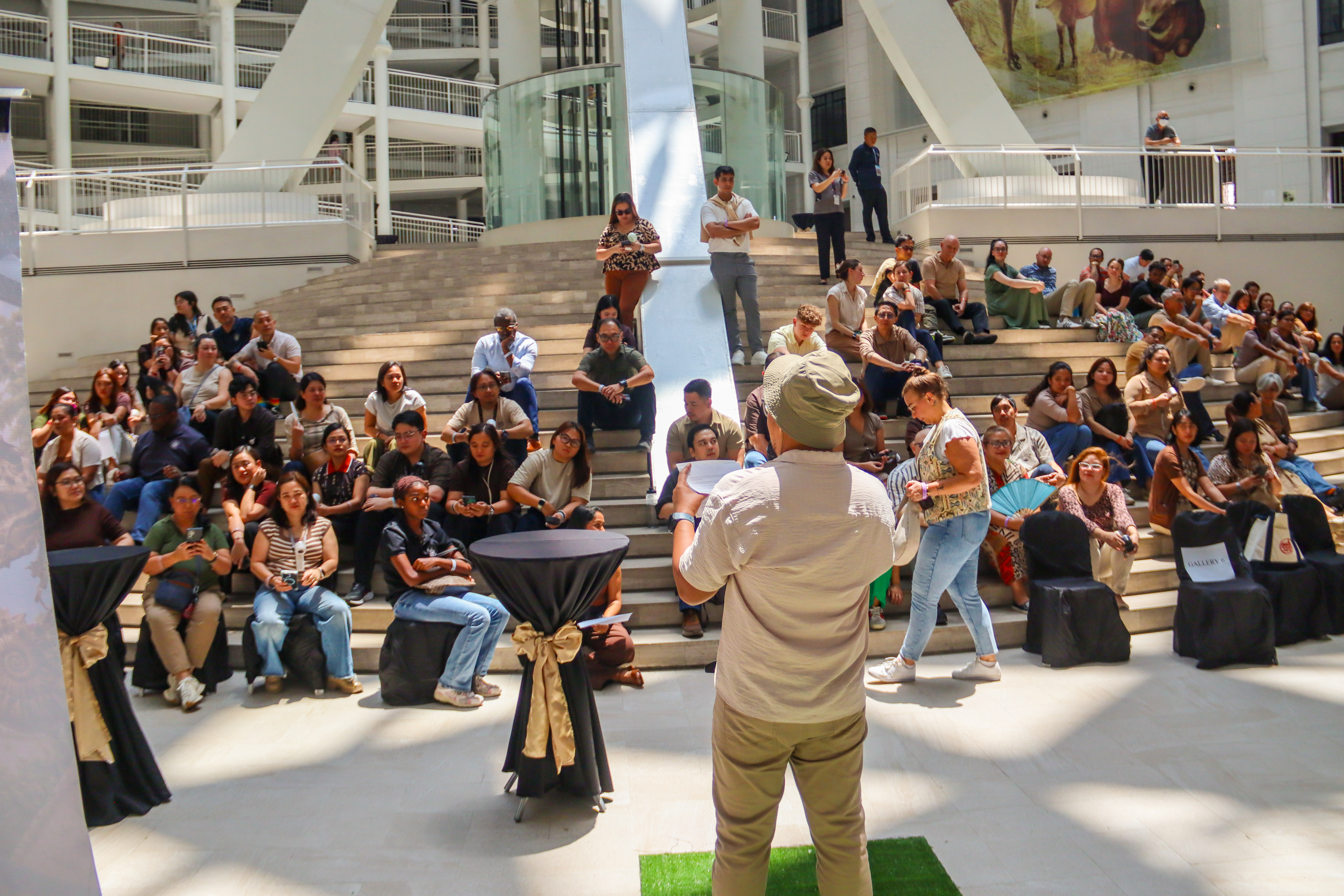
A one-day format works well for companies that want a structured program without an overnight stay.
The following is an illustrative schedule for a daytime event at a resort or events venue. Actual timings should be adjusted to the venue's access hours, travel arrangements, and package inclusions.
Sample itinerary (Suggested by Dayo Philippines)
Time | Activity |
8:00–9:00 AM | Arrival and registration |
9:00–9:20 AM | Opening remarks and orientation |
9:20–9:45 AM | Icebreakers and team formation |
9:45–11:00 AM | First round of team challenges |
11:00–11:15 AM | Break |
11:15 AM–12:00 PM | Collaborative group activity |
12:00–1:00 PM | Lunch |
1:00–2:30 PM | Main team building challenges |
2:30–2:45 PM | Afternoon break |
2:45–3:30 PM | Final challenge or group activity |
3:30–4:00 PM | Reflection, recognition, and closing |
4:00 PM onward | Departure or optional recreation |
This format provides a mix of structured activities and breaks without requiring participants to remain in facilitated sessions throughout the entire day.
If the venue requires an earlier arrival or a later departure, adjust the schedule accordingly. Avoid shortening meals or removing all breaks just to accommodate more activities.
When this format works best
A one-day program may suit companies that:
Have limited time away from regular operations
Prefer a more straightforward event arrangement
Want to minimize accommodation expenses
Can access a suitable venue within reasonable travel distance
Want a combination of activities and social interaction
For groups traveling long distances, consider an earlier departure or a later start to avoid making the event unnecessarily exhausting.
3. Sample Overnight Team Building Program
An overnight event gives organizers more flexibility to divide the program across two days.
It can accommodate a more substantial activity schedule while leaving room for meals, informal interaction, and leisure time at the venue.
The sample below assumes participants arrive on the first day and depart on the second day. It is an example, not a fixed package schedule.
Day 1: Arrival, activities, and social evening
Time | Activity |
9:00–10:00 AM | Arrival and registration |
10:00–10:20 AM | Opening remarks and orientation |
10:20–10:45 AM | Icebreakers and team formation |
10:45 AM–12:00 PM | First round of team challenges |
12:00–1:00 PM | Lunch |
1:00–2:30 PM | Main team building activities |
2:30–2:45 PM | Afternoon break |
2:45–4:00 PM | Final group challenge |
4:00–6:00 PM | Check-in and free time |
6:00–7:00 PM | Dinner |
7:00–9:00 PM | Optional social program, recognition, or entertainment |
The evening program can be formal or informal depending on the company's objectives. Some companies prefer a themed dinner, awards, or entertainment, while others leave the evening open for participants to relax.
If the event includes an evening social program, clarify whether sound equipment, a host, entertainment, and other production requirements are part of the package.
Day 2: Recreation and closing
Time | Activity |
7:00–8:00 AM | Breakfast |
8:00–9:00 AM | Free time or optional recreation |
9:00–10:00 AM | Optional group activity or closing session |
10:00–11:00 AM | Preparation and check-out |
11:00 AM onward | Departure, subject to venue arrangements |
The second day can remain relatively light, especially if the first day contains several hours of facilitated activities.
Check-out times vary by venue. If rooms must be vacated earlier, the closing activity may need to take place before check-out or in a separate function area.
When this format works best
An overnight program may suit companies that:
Want more time for structured activities and informal interaction
Are bringing together employees from different locations
Prefer to combine team building with a company dinner or recognition event
Need a destination outside Metro Manila
Want to include recreation alongside facilitated activities
The additional time can provide flexibility, but it also introduces accommodation, meal planning, transportation, and room-assignment requirements.
4. How Many Activities Should You Include?
There is no universal number of activities that works for every team building program.
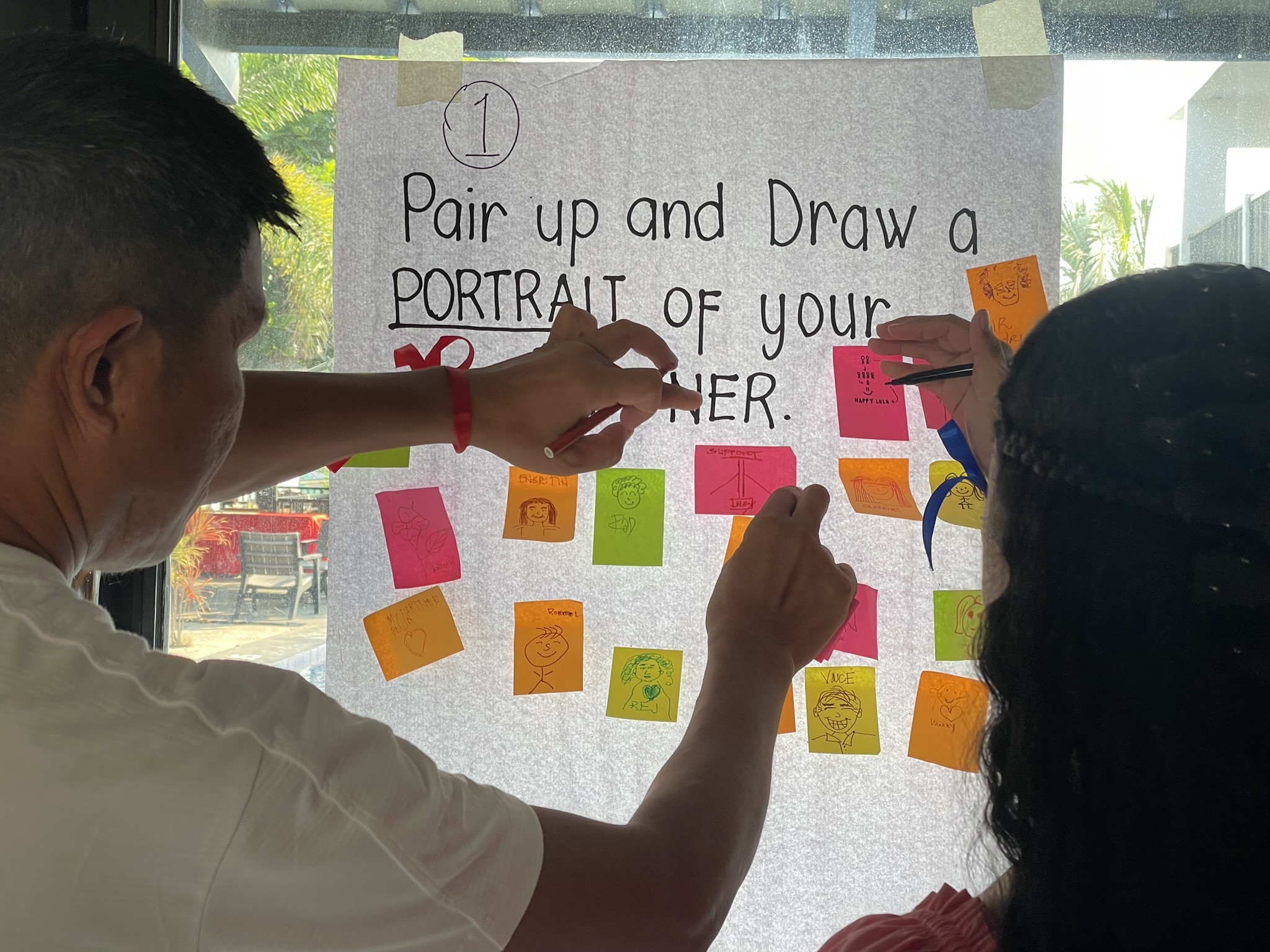
The appropriate number depends on the duration of each activity, the complexity of the instructions, participant count, venue layout, and time needed to move between activities.
A short icebreaker may take only a few minutes, while a multi-stage team challenge may require considerably longer.
When building the schedule, account for:
Activity briefing and demonstration
Team formation and preparation
Actual gameplay
Scoring or results announcements
Equipment setup and collection
Transitions between locations
Participant questions and unexpected delays
For large groups, allow additional time for distributing materials, explaining instructions, and moving participants into position.
It is usually better to run a manageable number of well-prepared activities than to rush through a long list.
5. How to Balance Activities and Free Time
Team building events should not feel like continuous work sessions away from the office.
Breaks give participants time to rest, socialize, hydrate, and prepare for the next activity.
This is especially important for outdoor programs, physically demanding challenges, and events held in warm weather.
For overnight events, consider separating the main facilitated program from the evening social gathering. Employees can then enjoy the dinner or entertainment without feeling that every segment is another mandatory activity.
The right balance will depend on your participants and the overall purpose of the event.
6. Adjust the Schedule to Your Company's Objectives
A sample itinerary is only a starting point. Your program should be adapted to the experience you want to create.
For cross-department collaboration
Allocate sufficient time for group activities that require participants from different departments to work together.
For employee engagement and celebration
Include more time for social interaction, recognition, entertainment, and recreation.
For a company anniversary or annual gathering
Coordinate the team building activities with formal speeches, presentations, awards, and other program segments.
For a large corporate group
Allow additional time for instructions, team assignments, activity rotations, and transitions between stations.
For a mixed-age or mixed-ability group
Select activities that offer meaningful participation without assuming that everyone has the same physical abilities or comfort level.
Clear objectives help determine which segments deserve the most time.
7. Common Scheduling Mistakes to Avoid
Even a well-designed activity list can become difficult to execute when the schedule is unrealistic.
Watch out for these common issues.
Packing too many activities into one day. This leaves little room for questions, transitions, and breaks.
Ignoring travel time. Late arrivals can disrupt registration, meals, and the entire program sequence.
Scheduling activities too close to meals. Participants may need additional time to move between locations or prepare for the next segment.
Leaving no weather contingency. Outdoor activities may need to be adjusted when conditions change.
Underestimating large-group transitions. Moving several teams between activity areas can take longer than expected.
Combining too many formal segments. Speeches, presentations, games, and entertainment all compete for the same limited schedule.
Failing to communicate the final program. Participants and suppliers should receive the appropriate event details in advance.
A practical schedule gives the organizing team enough structure to manage the event without making every minute unnecessarily rigid.
8. Finalize Your Program With the Venue and Facilitator
Before distributing the final itinerary, review it with the venue and the people responsible for executing the program.
Confirm:
Venue access and setup times
Meal schedules
Room check-in and check-out arrangements
Activity-space availability
Equipment requirements
Facilitator and host assignments
Weather contingency plans
Transportation departure times
For events involving multiple suppliers, identify who is responsible for each transition and who has authority to approve schedule changes on event day.
This coordination helps ensure that the proposed itinerary is practical rather than simply attractive on paper.
Final Thoughts
A successful team building schedule balances structured activities, adequate breaks, and the practical requirements of the venue and participants.
A one-day program can provide a focused facilitated experience, while an overnight event allows additional time for recreation and informal interaction. Neither format is automatically better; the right choice depends on your objectives, budget, and schedule.
Use sample itineraries as a starting point, then adjust the timing, activities, and logistics to fit your company.
Planning Your Next Corporate Team Building Event?
Dayo Philippines helps companies organize corporate team building experiences through program design, facilitated activities, venue coordination, and event logistics.
Whether you're planning a one-day team building program or an overnight corporate event, your participant count, preferred venue, schedule, and objectives can guide the program design.
Visit Dayo Philippines to learn more about our corporate team building services and discuss your upcoming event.