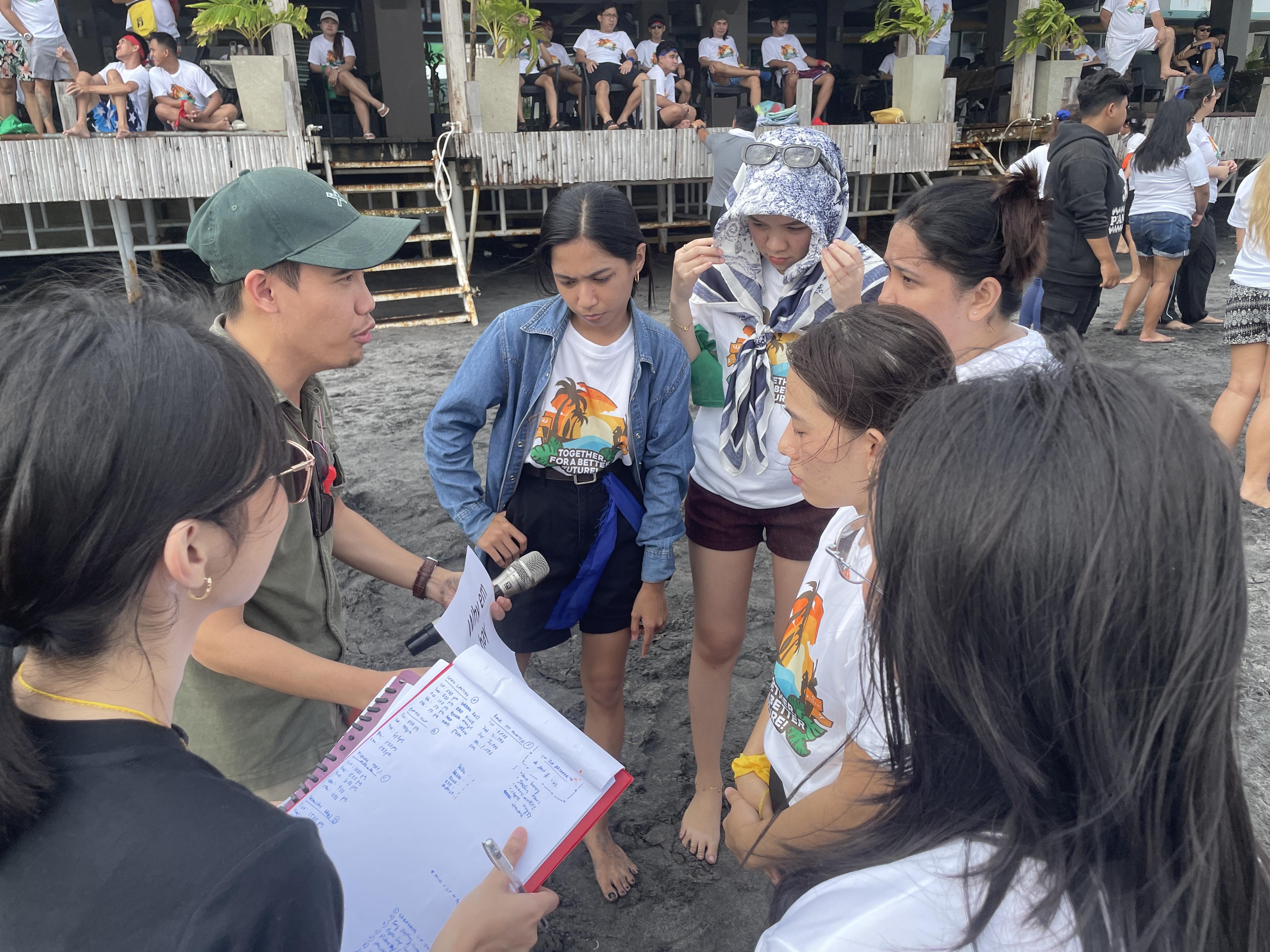
The Difference Between a Team Building Facilitator and an Event Host
The Difference Between a Team Building Facilitator and an Event Host
Dayo Insight Series | Team Building
One question we often hear during client meetings is, "Host lang ba ang kailangan namin?" It's a fair question because many people use the terms event host, emcee, and facilitator interchangeably. While they may stand on the same stage and hold the same microphone, their responsibilities are very different. Understanding that difference can have a significant impact on the outcome of your team building.
What Does an Event Host Do?
An event host or emcee is responsible for maintaining the flow of the program. They welcome participants, introduce speakers, explain schedules, energize the audience, and keep the event on time. A skilled host creates excitement and keeps participants engaged, which is especially valuable during company celebrations, family days, award ceremonies, and social events.
What Does a Team Building Facilitator Do?
A facilitator has a different objective. Rather than focusing only on energy, a facilitator designs experiences that help participants improve communication, collaboration, leadership, trust, and problem-solving. They observe how teams interact, identify behavioural patterns, and guide discussions that help participants understand what happened during each activity and why it matters back in the workplace.
What the Research Says
Adult Learning Theory, introduced by Malcolm Knowles, suggests that adults learn best when they actively participate and can relate an experience to their own work. David Kolb's Experiential Learning Cycle reinforces this idea by explaining that meaningful learning happens through experience followed by reflection and application. Without reflection, participants may remember the game but forget the lesson.
Why Processing Matters
Imagine two teams completing the same communication challenge. In one event, the host announces the winner and immediately moves to the next game. In another, the facilitator asks questions such as, "What made communication difficult?" "What assumptions did your team make?" and "How does this happen in your office?" The activity is identical, but the learning outcome is completely different because participants have the opportunity to reflect on their behaviour.
From the Field
One organization approached us after several years of conducting energetic company outings. Employees always had fun, but HR felt very little changed after the events. During our planning session, we shifted the focus from adding more games to improving facilitation. We reduced the number of activities, increased processing time, and aligned every challenge with the client's communication objectives. After the program, participants told HR that the discussions after each activity were the most valuable part of the day. The games captured attention, but the conversations created insight.
How to Choose the Right Person
If your primary goal is celebration, employee appreciation, or entertainment, an experienced event host may be exactly what you need. If your objective is to improve teamwork, strengthen leadership, develop trust, or encourage collaboration, look for a facilitator who understands learning design and organizational behaviour. In many corporate events, the strongest combination is having both: an engaging host to maintain energy and a skilled facilitator to guide learning.
HR Takeaways:
Clarify the objective before hiring a host or facilitator.
Ask how activities will be processed after each challenge.
Choose experience in facilitation, not just stage presence.
Measure success by workplace conversations, not only audience energy.
Dayo Perspective:
People often remember who made them laugh, but they remember even longer who helped them see their team differently. At Dayo Philippines, we believe a successful facilitator doesn't stand at the center of the experience. Instead, they create the conditions for participants to learn from one another. When employees return to the office communicating better, trusting each other more, and approaching challenges differently, that's when facilitation has truly done its job.
Planning a Team Building Program That Goes Beyond Entertainment?
A great team building experience needs more than energy and games. It needs the right facilitation, meaningful processing, and a program designed around your team’s actual objectives.
At Dayo Philippines, we design customized team building programs that combine engagement with purposeful learning.