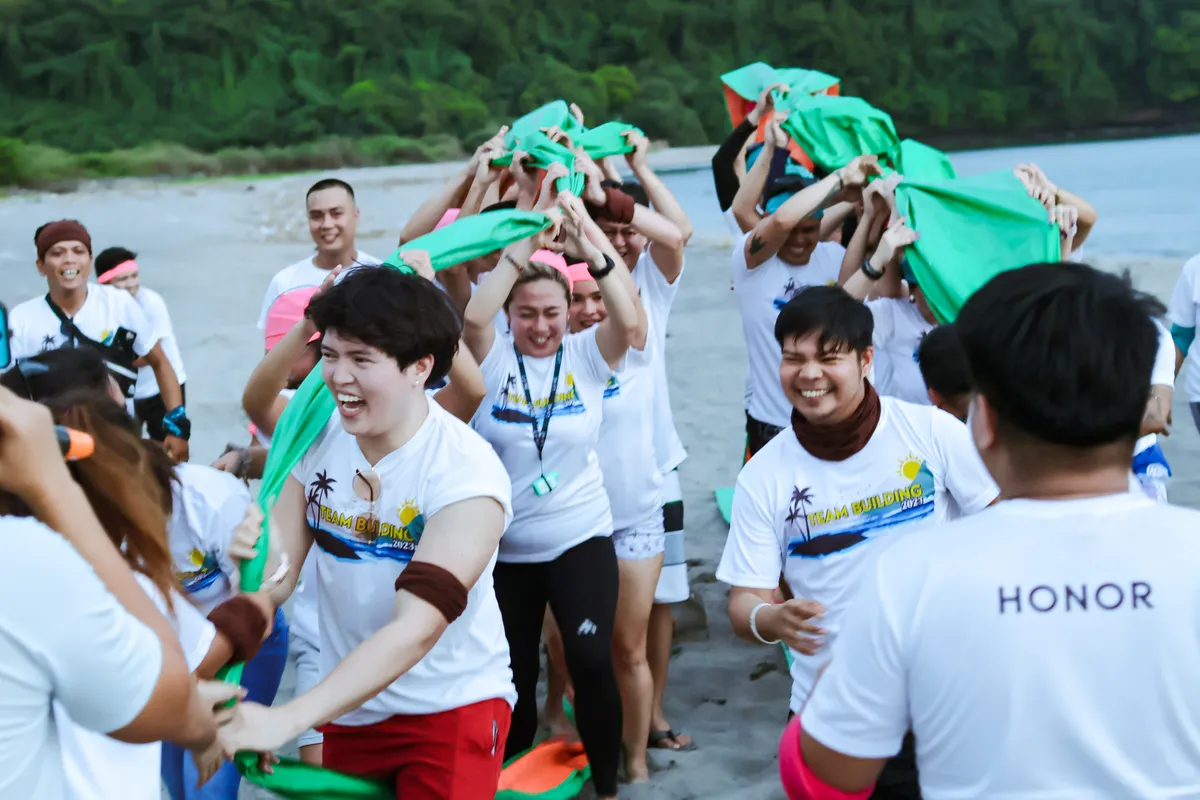
Team Building vs. Company Outing: Which Is Better?
Team Building vs. Company Outing: Which Does Your Team Need?
When planning a company event, one of the first decisions is whether to organize a structured team building program or a more relaxed company outing.
Both can bring employees together, provide a break from their usual work routines, and create opportunities for shared experiences. However, they differ in their primary purpose, program structure, and the level of facilitation involved.
For HR teams and company organizers in the Philippines, understanding the difference can help you choose an event that fits your objectives, budget, and employees' expectations.
In this guide, we'll compare team building and company outings, explain when each option makes sense, and explore how companies can combine the two.
What Is Corporate Team Building?
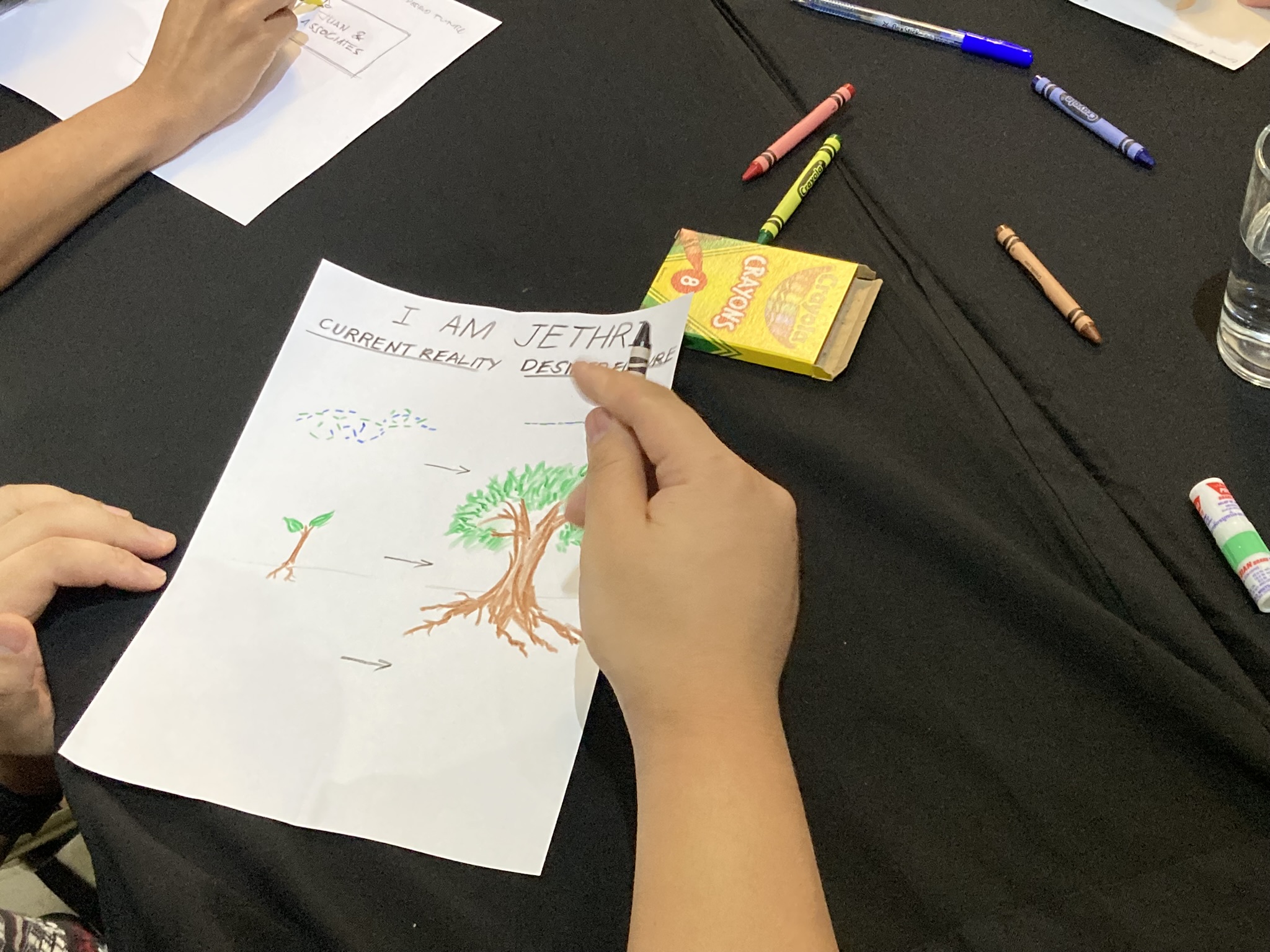
Corporate team building is an organized experience designed to encourage employees to interact, collaborate, communicate, and work toward shared objectives through structured activities.
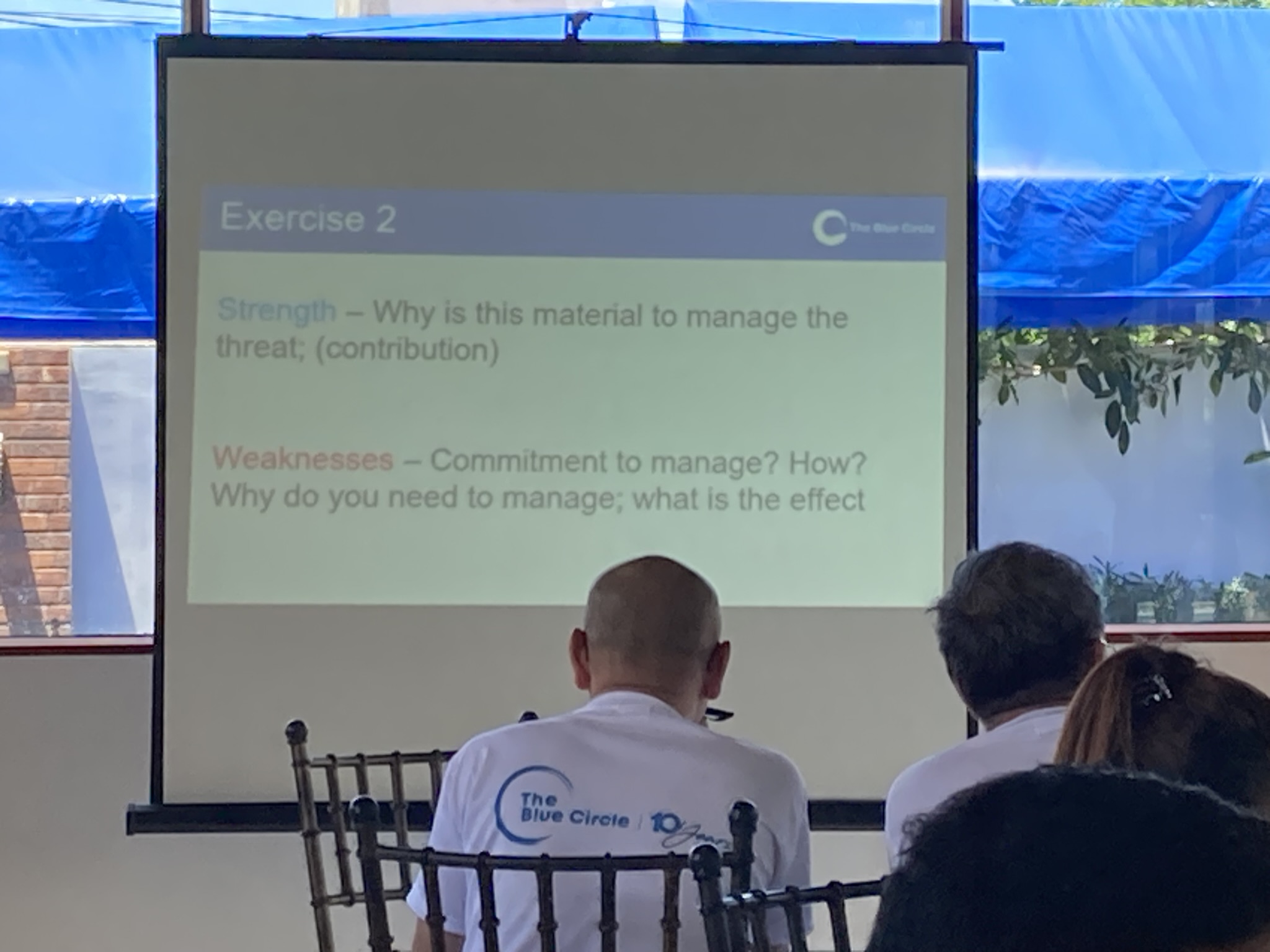
Depending on the company's goals, a program may include group challenges, problem-solving activities, communication exercises, friendly competitions, and facilitated discussions.
The activities are selected and arranged to support the intended experience rather than simply fill the schedule.
For example, a company with employees from several departments might organize collaborative challenges that require participants to exchange information, coordinate decisions, and complete tasks together.
A team building program may be conducted at a resort, hotel, function venue, office, or outdoor activity space.
Its defining characteristic is not the venue or the type of game. It is the intentional design of the program and the way participants are guided through the experience.
What Is a Company Outing?
A company outing is generally a social or recreational event organized to give employees an opportunity to relax, socialize, and enjoy time together outside their usual work environment.
Typical company outings may include:
Resort or beach trips
Pool activities and recreational games
Tours
Shared meals and social gatherings
Leisure activities
Entertainment and performances
Recognition or celebration segments
Unlike a structured team building program, an outing may have a more flexible schedule and place greater emphasis on recreation.
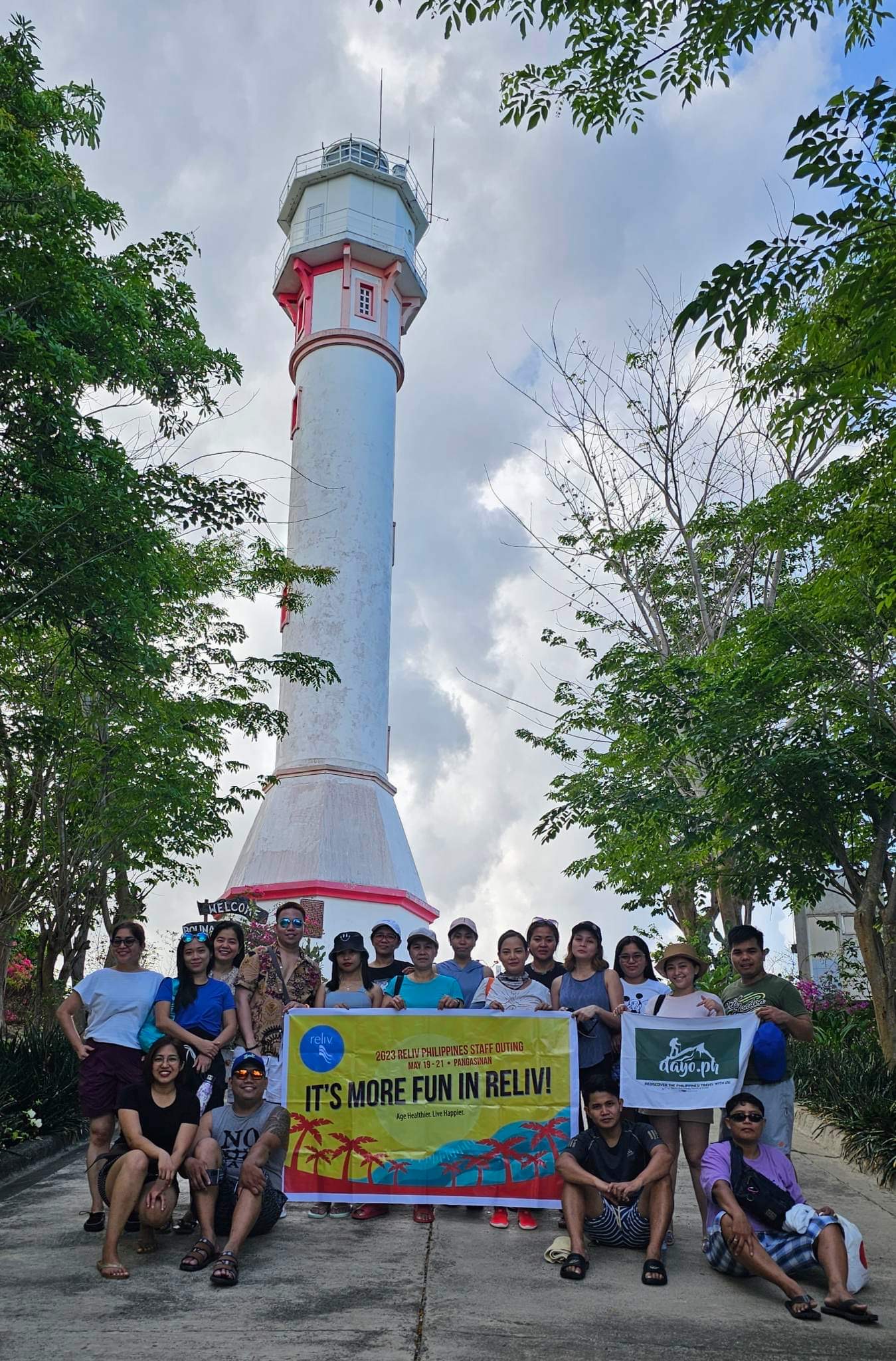
For example, a company might book a resort for a day, arrange lunch and swimming, and provide employees with free time to socialize.
A company outing can still include organized games or a short team building activity. The distinction lies in the overall purpose and structure of the event.
Team Building vs. Company Outing: Key Differences
Factor | Corporate Team Building | Company Outing |
Primary purpose | Encourage collaboration and shared experiences through structured activities | Provide recreation, relaxation, and social interaction |
Program structure | Usually follows a planned sequence of activities | Often more flexible, with leisure time |
Activities | Facilitated challenges, group tasks, and collaborative games | Recreational games, swimming, sightseeing, and social activities |
Facilitation | Typically includes a facilitator or designated activity leader | May require only an event host or basic coordination |
Participant experience | Guided participation with activities designed around specific objectives | Greater emphasis on leisure and informal interaction |
Planning priorities | Objectives, activity design, facilitation, and program flow | Destination, meals, transportation, facilities, and recreation |
Typical format | Half-day, full-day, or overnight program | Day trip, resort outing, or overnight leisure trip |
These are common differences, not strict rules. Companies can design events that combine both formats.
When Should You Choose Team Building?
A structured team building program may be appropriate when your company wants to create opportunities for employees to work together in a different setting.
Consider team building if:
1. You want employees to interact across departments.
Collaborative activities can encourage employees who do not usually work together to exchange ideas and coordinate their efforts.
2. Your team needs a shared experience around a specific objective.
If you want to emphasize communication, cooperation, or working toward common goals, the program can be designed around those priorities.
3. You want a structured and facilitated experience.
A facilitator can explain the activities, guide participation, manage transitions, and help groups reflect on their experience.
4. You want more than a recreational trip.
A team building event can still be enjoyable and relaxed, but its activities follow a deliberate program rather than relying entirely on free time.
Keep in mind that a single event does not automatically resolve deeper workplace issues. Team building is best treated as an opportunity to create shared experiences and open conversations, not a substitute for addressing persistent organizational problems.
When Should You Choose a Company Outing?
A company outing may be the better option when the main priority is giving employees time to relax and enjoy an experience together.
Consider an outing if:
1. You want to recognize employees or celebrate a milestone.
A resort trip or social gathering can be an enjoyable way to celebrate achievements, anniversaries, or the completion of a busy period.
2. Your employees need a break from their regular routines.
A recreational event can provide time for rest, informal conversations, and activities outside the workplace.
3. You want a less structured schedule.
If employees prefer a combination of meals, swimming, leisure activities, and free time, an outing may be more suitable than a full program of facilitated challenges.
4. Your priority is social engagement.
Shared meals, group photos, entertainment, and recreational activities can create opportunities for colleagues to get to know one another.
A company outing does not have to be completely unstructured. Registration, transportation, meals, safety arrangements, and event coordination still need careful planning.
Can You Combine Team Building and a Company Outing?
Yes. In fact, a combined format can work well for companies that want both structured activities and recreational time.
For example, an overnight corporate event could include:
Morning: Registration, orientation, and facilitated team challenges
Lunch: Shared meal and informal interaction
Afternoon: Collaborative activities or a short reflection session
Late afternoon: Free time and resort recreation
Evening: Dinner, recognition, entertainment, or social activities
The schedule should be adjusted to the participant count, venue access, travel time, weather, and objectives.
The key is to allocate enough time for the structured program without making the entire event feel like a workday away from the office.
If recreation is an important part of the event, communicate that clearly when planning the schedule so employees know what to expect.
How Much Does Each Option Cost?
The cost of a team building event or company outing depends on the venue, location, participant count, meals, accommodation, transportation, and services required.
A company outing may involve venue access, meals, transportation, and recreational facilities. A facilitated team building program may add program design, facilitators, activity materials, and other event requirements.
However, neither option is automatically cheaper. A premium resort outing may cost more than a simple facilitated activity at a nearby venue, while a large customized team building program may require a bigger budget than a basic company trip.
When comparing proposals, review the actual inclusions rather than the event label alone.
For a more detailed discussion, read our guide: How Much Does Team Building Cost in the Philippines? A 2026 Price Guide.
Questions to Ask Before Making Your Decision
Before selecting your event format, discuss the following with your HR team or organizing committee:
What is the main reason we are organizing this event?
Do we want structured collaboration activities, recreation, or both?
How many employees will participate?
What budget is available per person?
Do we prefer a day tour or an overnight arrangement?
How much free time should employees have?
Will we need a facilitator, host, or both?
What venue and transportation arrangements are practical?
Are there accessibility, dietary, or safety considerations?
How will we evaluate whether the event met our expectations?
These questions help clarify priorities before you request quotations or reserve a venue.
A Simple Decision Guide for HR Teams
Use this guide as a starting point:
Choose team building when structured activities and facilitated collaboration are priorities.
Choose a company outing when recreation, relaxation, and social interaction are the main objectives.
Choose a combined format when you want a facilitated program alongside meals, leisure, entertainment, or resort activities.
There is no universal best option. The right choice depends on what your company wants employees to experience and how much time and budget you can allocate.
Planning Your Next Corporate Event?
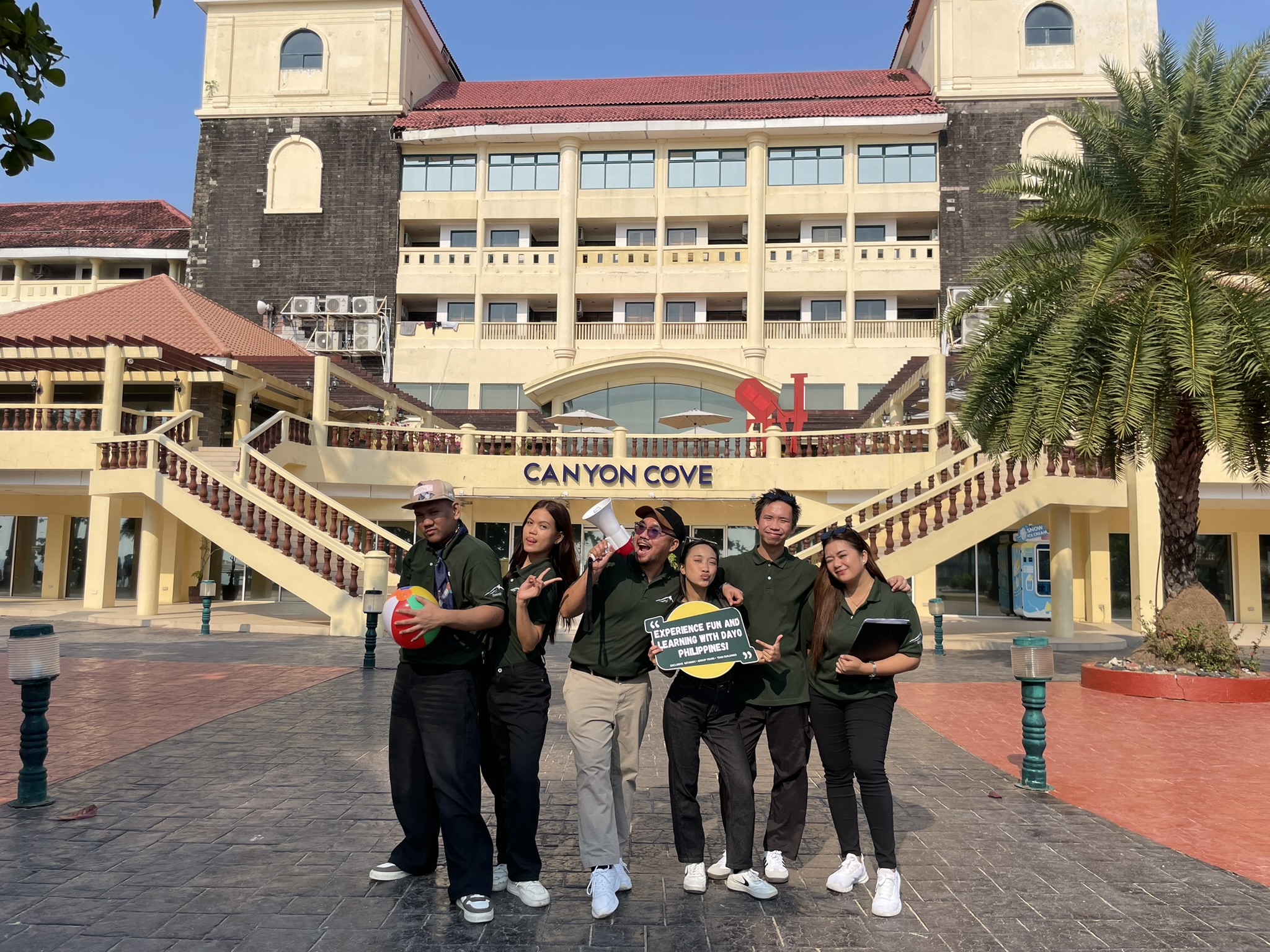
Dayo Philippines helps companies organize corporate team building experiences through program design, facilitated activities, venue coordination, and event logistics.
Whether you're planning a structured team building program, a recreational company event, or a combination of both, start by identifying your objectives, participant count, preferred location, and budget.
Visit Dayo Philippines to explore our corporate team building services and discuss your upcoming event.